
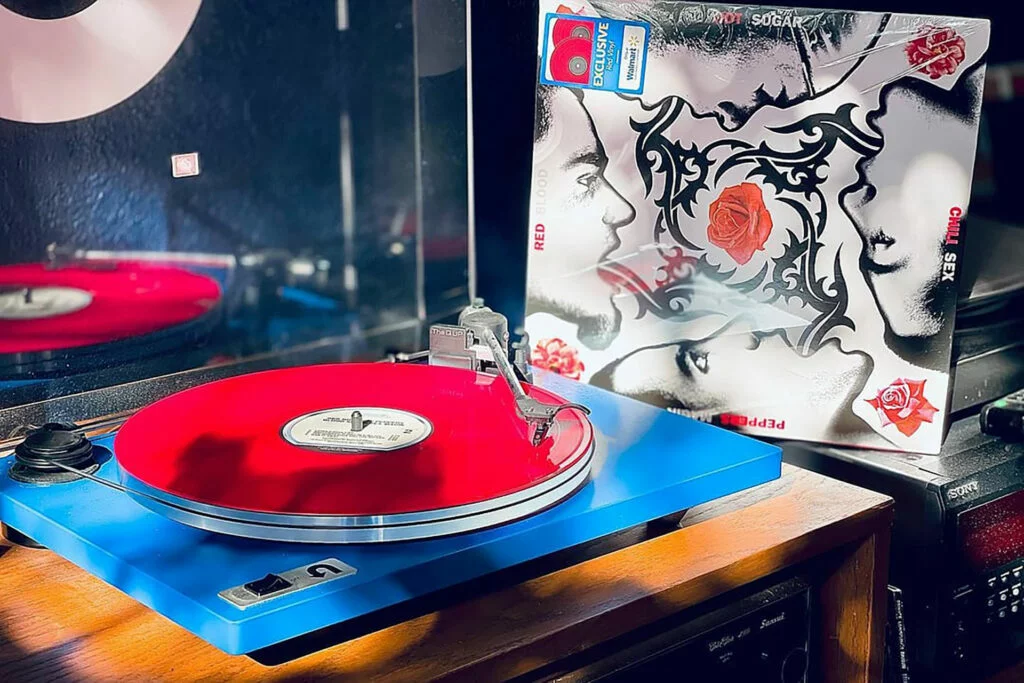
Thank you to the Kickstarter campaign over a decade ago that solved one of the biggest problems in the vinyl world.
Back in my day, if you wanted a turntable, you were usually choosing between something really cheap or jumping pretty quickly into more serious hi-fi money. There was not a ton sitting comfortably in the middle.
That is basically where U-Turn came in.
The idea was simple: make a turntable that looked great, sounded genuinely good, and felt like a real piece of audio equipment without making someone spend $500+. People clearly agreed. The Kickstarter took off, U-Turn kept building the Orbit, and more than a decade later it is still one of the better alternatives to the usual Audio-Technica beginner options.
It is not super cheap, and it is definitely not high-end audiophile stuff either. It sits in that really useful middle ground where you are getting something noticeably nicer, better built, and easier to keep around for years without spending crazy money.
So if you want something a little more serious than the cheapest beginner turntables, but you are nowhere near ready to go full audiophile, the U-Turn Orbit makes a lot of sense.
Table of Contents
In this guide, we’ll cover everything you need to know about the U-Turn Orbit, broken down into the following sections:
- U-Turn Orbit Overview:Who Is This Turntable For?
- U-Turn Orbit Build, Design, and Setup
- How Does the U-Turn Orbit Sound?
- U-Turn Orbit vs. Other Beginner Turntables
- Is the U-Turn Orbit Worth It?
Affiliate Disclosure: We’re a small team of vinyl enthusiasts, if you get value from our insights, using our affiliate links (including Amazon Associates) helps us earn a commission and keep the lights on at no extra cost to you. Thank you for supporting Recordbuilds.com!
U-Turn Orbit Overview:Who Is This Turntable For?
The easiest way to understand the U-Turn Orbit is probably to look at what you would buy instead.
At the very bottom of the market you have suitcase players and all-in-ones. We all know the type – the suitcases, the ones where the speakers are built in, and they require approximately zero knowledge of audio equipment.
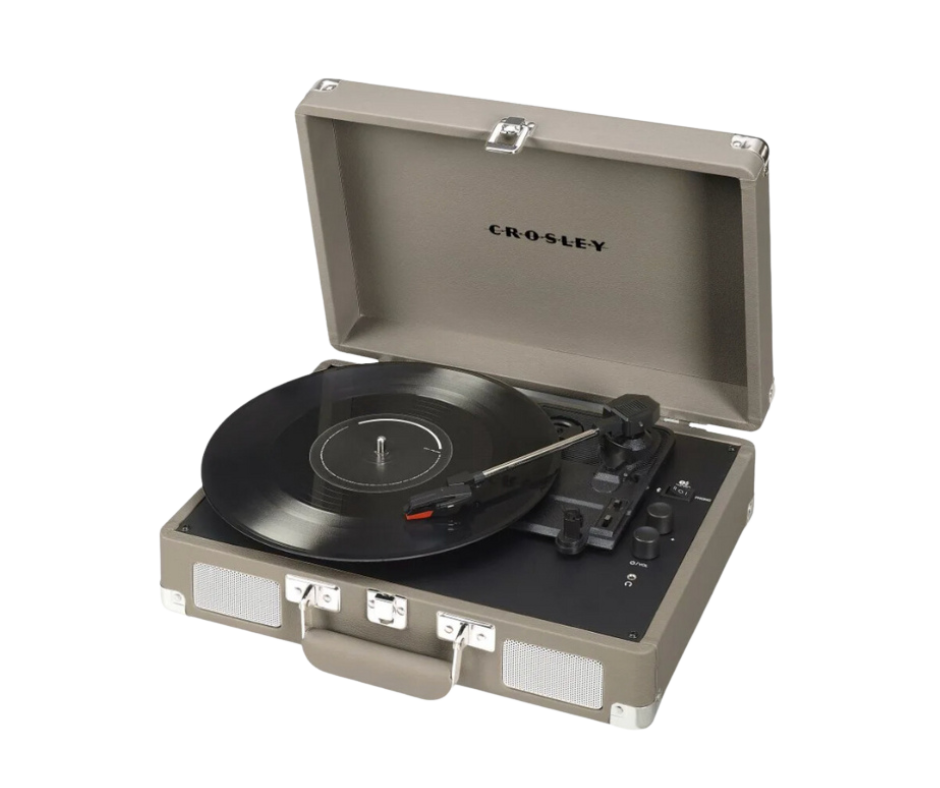
This is a very effective way to sell record players. It is not necessarily a very effective way to build a good one.
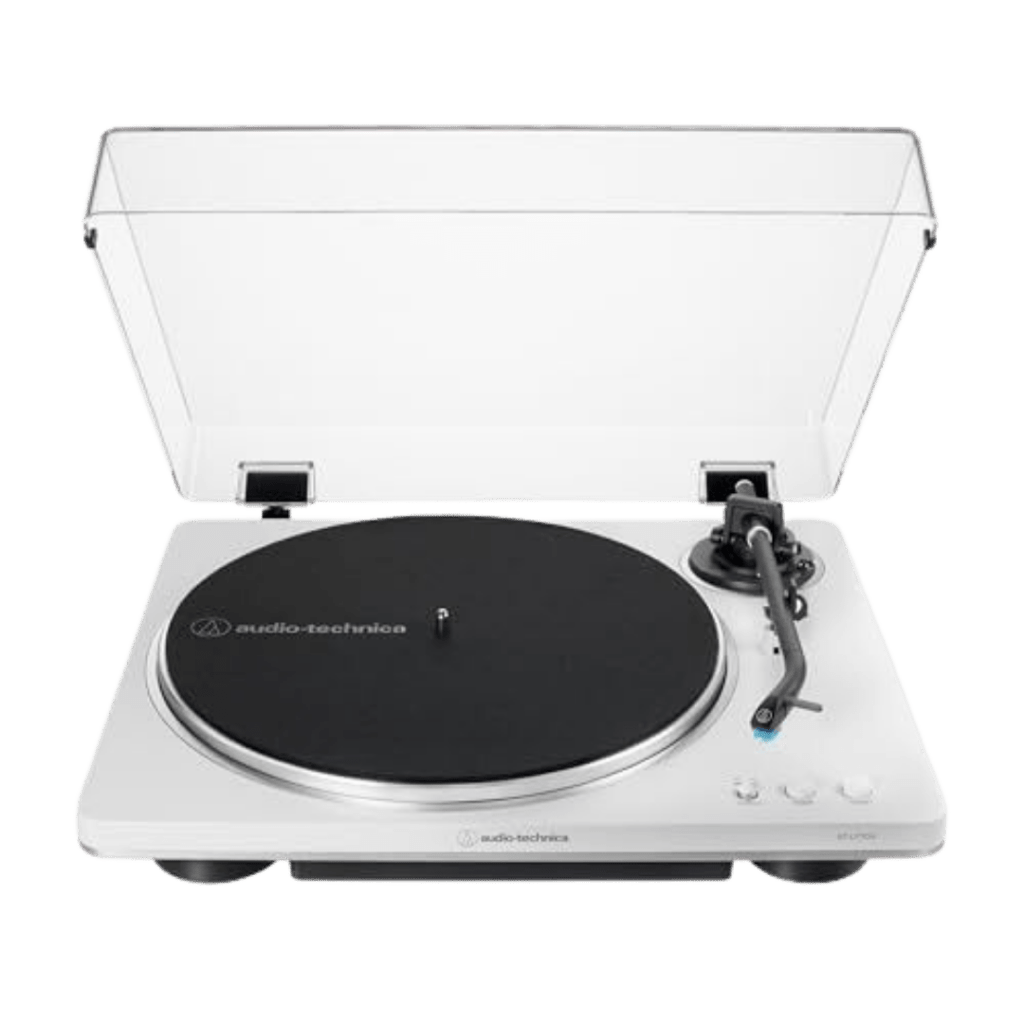
Move up a little and you get to things like the Audio-Technica LP60X and LP70X. These make a lot of sense. They are proper turntables, they are still very easy to use.
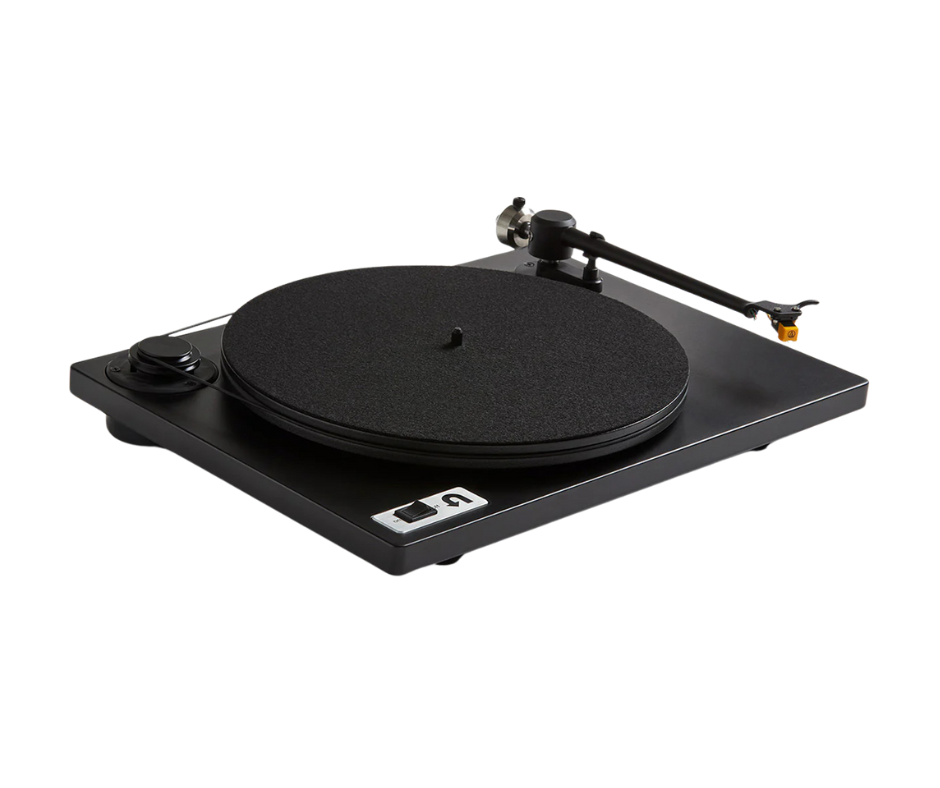
U-Turn went a different way.
The Orbit is manual. You move the tonearm yourself and lower the needle yourself, which gives it that very analog feel and lets you actually get the tactile experience that is part of listening to records in the first place.
The design is also super sleek and simple. It is this really modern-looking, genuinely nice thing, but at the same time it fits perfectly with the much more hands-on nature of analog listening.
And for a pretty affordable price, you are getting this great-looking piece of art that is also actually a nicer turntable. You get a more substantial plinth, a proper tonearm, and a replaceable cartridge. Compared with something like the LP70X, it just feels like a step toward a more serious turntable without getting anywhere close to serious hi-fi prices.
I would say the tradeoff is that U-Turn is not the same household name as Audio-Technica, and the Orbit can be a little more work to set up and use because it is not automatic like the LP70X.
So you are giving up some convenience, but in return you get something that feels a lot more tactile, looks a lot better sitting in your room, and feels much closer to the whole reason a lot of people get into vinyl in the first place.
Built-in Preamp or No Preamp
There are two different Orbit models, and one of the first decisions you are going to have to make is built-in preamp or no preamp.
I’ll keep this super simple.
If you get the built-in preamp version, it is literally built into the turntable. That means you can connect the Orbit directly to a set of powered speakers and you are good to go.
If you get the normal version without the preamp, you will need to have a phono preamp somewhere else in the setup – which means getting another piece of equipment in addition to your speakers.
Now, if this is your first turntable or first vinyl setup, I get this is where things can start getting kind of confusing. Turntable, preamp, receiver, powered speakers, passive speakers, and suddenly you are trying to figure out what actually plugs into what.
There is also a free tool, our Vinyl Setup Builder, where you can just pick the Orbit you want and add the rest of the gear you are considering. It will tell you what works, what you still need, and let you build out the whole setup without having to figure out all of the compatibility stuff yourself. You can also swap stuff in and out until you find a setup you like.
U-Turn Orbit Build, Design, and Setup
This is a beautifully simple turntable. Here’s what you have in a nutshell: An MDF plinth, the platter and belt on top, U-Turn’s OA3 tonearm. There are no automatic mechanisms hiding underneath it, and the controls are pretty minimal.
| Price | $249+ |
|---|---|
| Preamp | Optional built-in Pluto 2 phono preamp |
| Cartridge | Audio-Technica AT91B |
| Platter | Grooved low-resonance MDF platter |
| Drive System | External belt drive |
| Tonearm | OA3 precision gimbal tonearm with one-piece magnesium armtube |
| Counterweight | Adjustable, preset at the factory |
| Anti-Skate | Internal, preset |
| Cue Lever | Optional |
| Output | RCA |

The body of the Orbit Basic is made from MDF. Basically, it is a dense engineered wood material, which is a pretty meaningful step up from the lightweight molded plastic you see on a lot of cheaper turntables. It gives the Orbit more weight and a more solid feel without pushing the price way up.
The tonearm is also a proper adjustable tonearm rather than something permanently fixed in place. U-Turn sets it up for you from the factory, so you do not really need to know much about counterweights or anti-skate to get started. But having a proper arm gives you more room to change things later if you want to.
Same idea with the cartridge. The Orbit Basic comes with an Audio-Technica AT91B. Nothing crazy, but it is a real replaceable cartridge. If you eventually want something better, you can swap it rather than replacing the whole turntable.
A few key things to know about actually using it.
The Orbit is fully manual. There is no button that moves the arm over for you, and nothing automatically returns it at the end of the record. On the Basic, the cue lever is optional too. If you skip it, you are lowering the tonearm onto the record yourself.
Setup is pretty easy. The cartridge is already installed, the tonearm comes set up from the factory, and you are mostly putting the platter and belt on, connecting the cables, and finding a flat place for it to sit. It is not the kind of turntable where you need to spend an afternoon learning how to calibrate everything before you can play a record.
It is more hands-on than something like an LP70X, but not because it is difficult to set up. It is just a much more mechanical turntable. You are physically putting the needle on the record, the belt is right there around the platter, and there is very little between you and what the turntable is actually doing.
How Does the U-Turn Orbit Sound?
I’m going to let you in on a secret.
Any time someone talks about the “sound” of one of these beginner turntables, a lot of what you are actually hearing is the speakers.
At this level, as long as the speakers are not built into the turntable, the sound of your setup is going to depend much more on the speakers than whether you picked one decent beginner turntable over another.
Something that does matter is the cartridge. That is the little piece at the end of the tonearm actually reading the groove, and changing it can make a real difference.
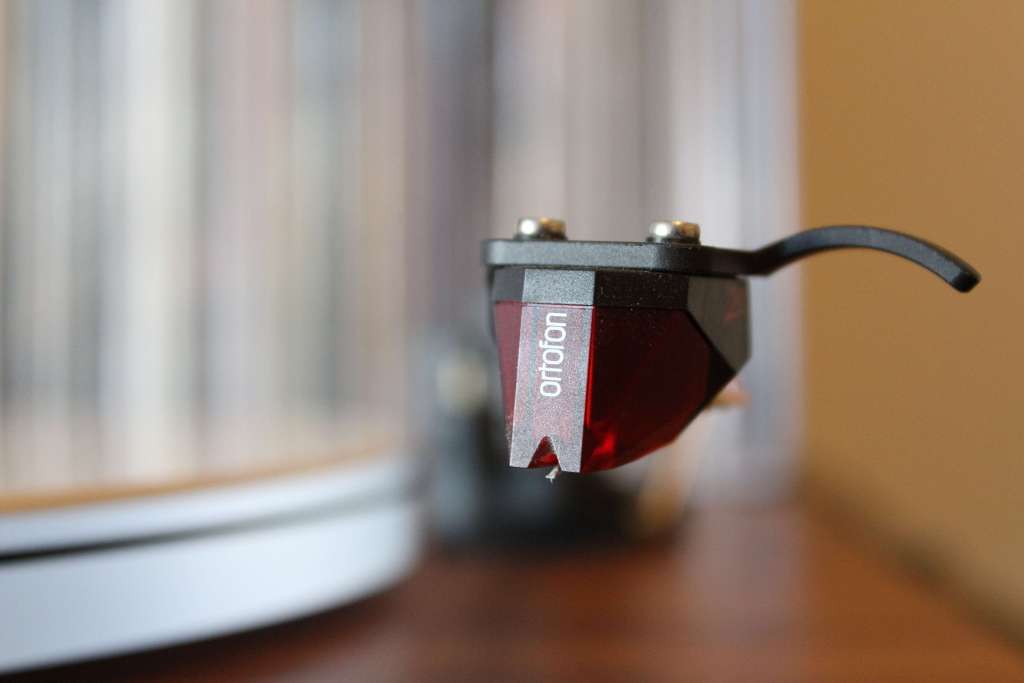
But between a lot of the turntables we are going to compare in the next section, they can all give you a pretty clean, enjoyable, authentic vinyl sound. The much bigger difference is going to be what you plug them into.
Put the U-Turn into a great amp and a $2,000 pair of speakers and it is going to sound miles better than putting a $10,000 turntable into a mediocre $200 pair of speakers.
The nice part about the Orbit is that the cartridge is replaceable and upgradable. The Basic comes with an Audio-Technica AT91B, but you can swap that out later if you want to get more out of the turntable.
And that upgradeability is one of the things that starts to separate the Orbit from some of the more basic beginner turntables.
If you want to see how nerdy this can eventually get, Audio Advice tested an Orbit with an acrylic platter and Ortofon 2M Red on much more expensive systems. They found the speed consistency very good for the price, while more expensive Rega tables were still able to pull more detail out of difficult passages.
You probably do not need to care about any of that right now.
But if you eventually do, the Orbit gives you somewhere to go.
U-Turn Orbit vs. Other Beginner Turntables
There are a lot of turntables around this price, but you probably do not need to compare twenty of them.
If you are seriously looking at the Orbit, I think there are three alternatives worth putting next to it: the Audio-Technica LP60X, Sony PS-LX3BT, and ANGELS HORN H019.
They are useful comparisons because they each go about the beginner setup a little differently.
The LP60X goes cheap and easy. The Sony keeps the automatic convenience but adds more modern features. The ANGELS HORN tries to put basically the whole setup into one box. And the Orbit is the more hands-on, standalone turntable of the group.
So rather than drowning you in specs, let’s just look at what you actually gain and give up with each one.

Audio-Technica AT-LP60X
To be honest – The LP60X is still the obvious beginner option. People who actually own it tend to say the same thing: it is easy, automatic, works, and you do not need to know much to get started. The complaints are mostly from people who want more adjustment or something they can upgrade later.
That is really the difference. The LP60X is cheaper and easier. The Orbit costs more, but you are getting the MDF body, proper adjustable tonearm, replaceable cartridge, and a turntable that gives you more room if you end up getting deeper into vinyl.
| Feature | Audio-Technica AT-LP60X | U-Turn Orbit Basic |
|---|---|---|
| Price | $199 on Amazon | $249+ |
| Turntable Type | Fully Automatic, Belt-Drive | Manual, Belt-Drive |
| Preamp | Built-In, Switchable | Optional Built-In |
| Bluetooth | No | No |
| Plinth Material | Plastic | MDF |
| Cartridge | Integrated Dual Magnet Cartridge | Audio-Technica AT91B |
Sony PS-LX3BT
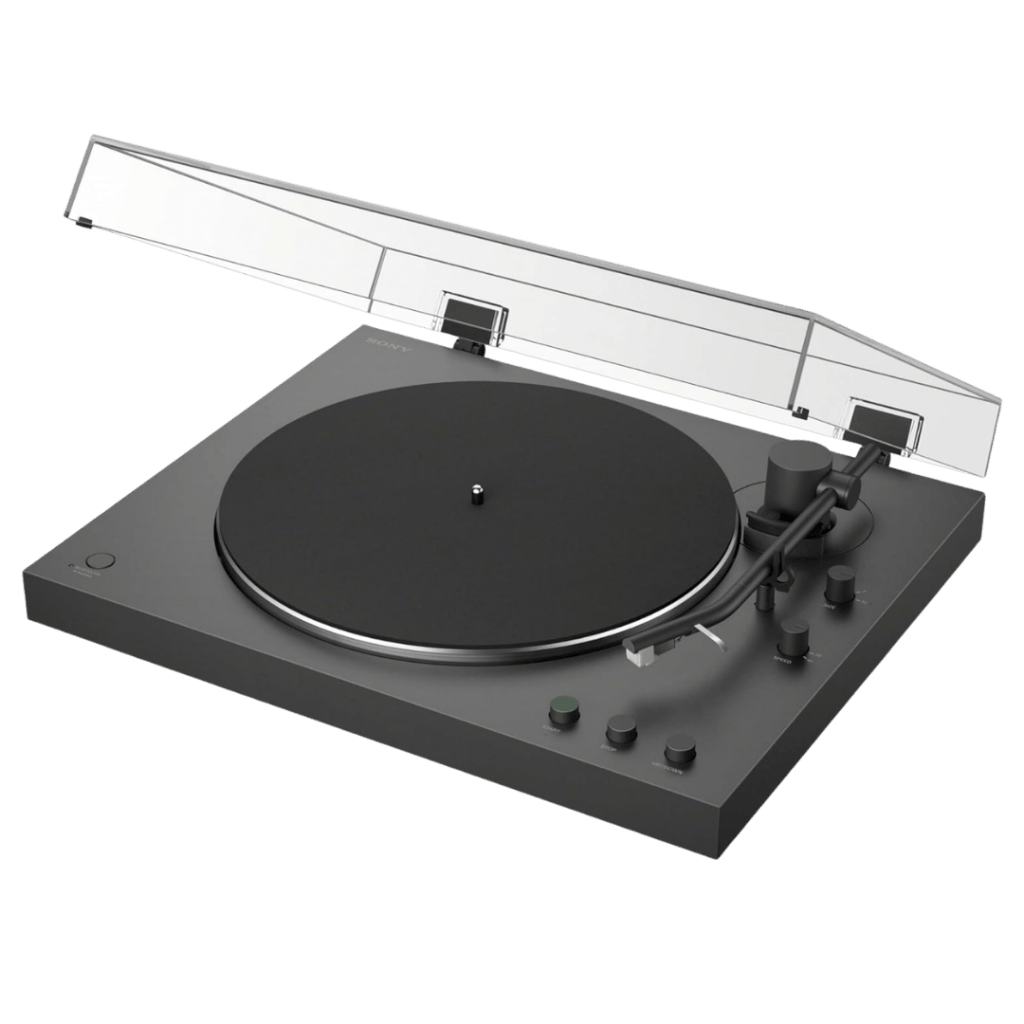
The Sony PS-LX3BT is kind of the Orbit for somebody who wants almost the exact opposite experience. It is fully automatic, has the preamp built in, and Bluetooth is a big part of the pitch.
It is also brand new, so there is not a huge pile of long-term owner feedback yet. The reviews so far are pretty consistent: it is very easy to use, Bluetooth works well, and it sounds good, but the plastic build and price are the big complaints.
| Feature | Sony PS-LX3BT | U-Turn Orbit Basic |
|---|---|---|
| Price | $398 | $249+ |
| Turntable Type | Fully Automatic, Belt-Drive | Manual, Belt-Drive |
| Preamp | Built-In, Switchable | Optional Built-In |
| Bluetooth | Yes | No |
| Plinth Material | Plastic | MDF |
| Cartridge | Moving Magnet | Audio-Technica AT91B |
ANGELS HORN H019
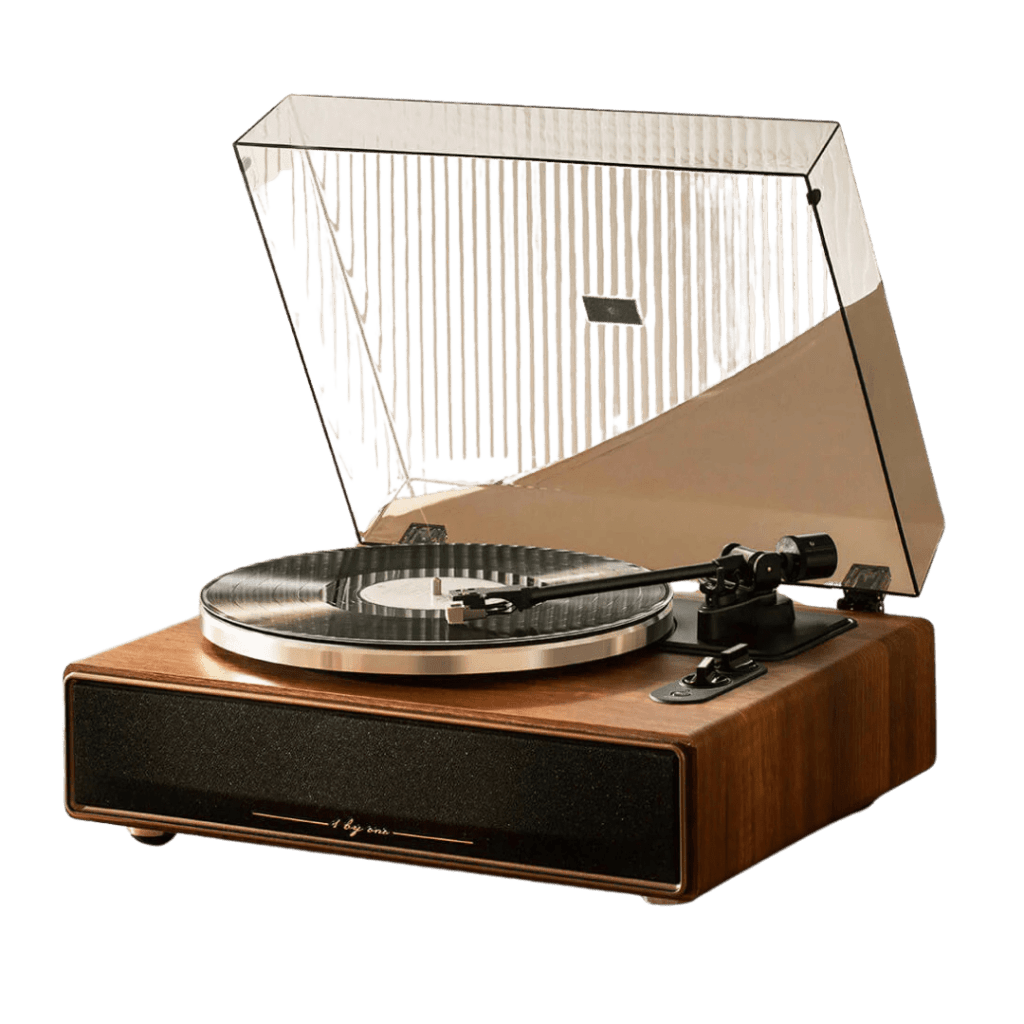
The ANGELS HORN H019 is the easiest one here to understand. The speakers are built in. The preamp is built in. It looks good. You can basically put it on a shelf, plug it in, and you have a vinyl setup.
And people seem to genuinely like it for that. Owners repeatedly mention the looks, easy setup, compact size, and that the built-in speakers sound much better than you would expect from an all-in-one.
| Feature | 1byone H009 | U-Turn Orbit Basic |
|---|---|---|
| Price | $200 on Amazon | $249+ |
| Turntable Type | Manual, Belt-Drive | Manual, Belt-Drive |
| Preamp | Built-In | Optional Built-In |
| Bluetooth | Yes | No |
| Plinth Material | MDF | MDF |
| Cartridge | Audio-Technica AT3600L | Audio-Technica AT91B |
So which one actually makes sense?
If you want the cheapest and easiest route, the LP60X is still hard to beat. If you want automatic operation and Bluetooth, the Sony makes more sense. And if you really just want one box with speakers already built in, the H009 is probably the simplest setup of the bunch.
The Orbit is for the person who wants something a little more permanent. You are giving up some convenience, but you get the nicer build, replaceable cartridge, more room to upgrade, and that more hands-on experience we have been talking about this whole time.
If you are already looking at the Orbit because you like the design and the idea of actually using the turntable yourself, I do not think any of these alternatives really change the argument much. They just give you a few different ways to spend less, make things easier, or keep the whole setup more compact.
Is the U-Turn Orbit Worth It?
After all that, the Orbit is actually pretty easy to sum up.
It looks great, it is fun to use, without making your first setup feel too overhwhelming.
But if you like the hands-on part of vinyl, care about how the thing looks sitting in your room, and want your first proper turntable to feel like something you can actually keep for a while, I think the Orbit is a really good place to land.
And if you are still figuring out how all of this actually fits together, that is kind of what we built Recordbuilds for.
And if you are still figuring out how all of this actually fits together, that is kind of what we built Recordbuilds for.
We are not sponsored by these brands. This is our website, and we built the Vinyl Setup Builder because putting together a first setup can get confusing fast. You can pick the Orbit, add speakers, amps, receivers, or whatever else you are looking at, and it will show you what works together, what you still need, and let you swap things in and out until the setup makes sense.
Even if you are not buying anything right now, it is honestly a pretty good way to learn how all of this stuff connects and what each piece is actually doing to make vinyl work.
Hope this helps. Getting into vinyl is a wonderful hobby, and it should feel that way from the start.