
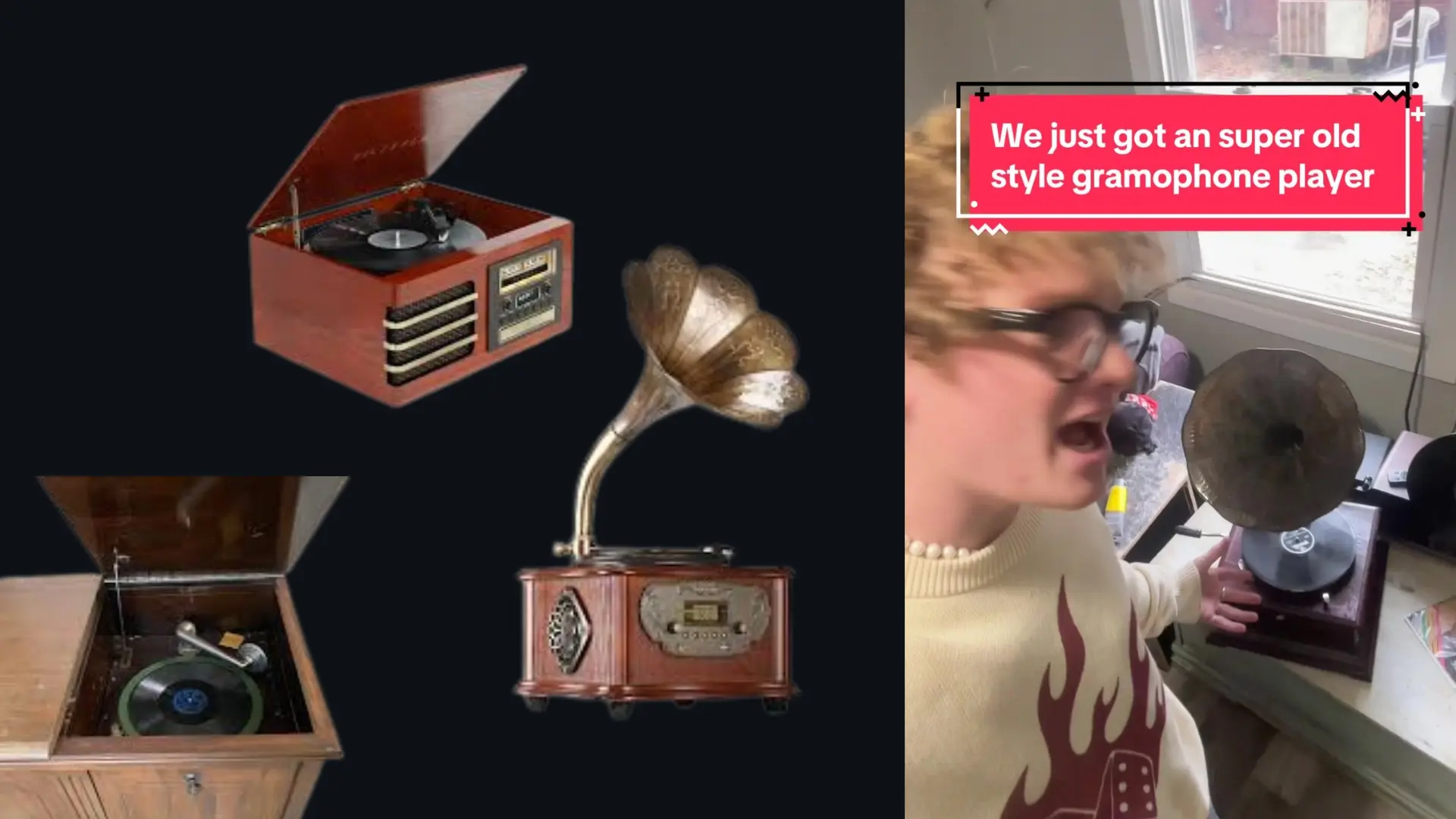
When you go up in the attic or clear out your parents’ garage, you might happen upon an old record player. These vintage devices can be beautifully built, like weird, mechanical little time capsules. For a modern user, the controls feel different, the designs are unique, and the whole experience feels like you’re transported to another world.
Unfortunately, older players do not automatically mean good quality. While there are some hidden gems out there worthy of the Antiques Roadshow, most need a lot of work and are better suited as living room furniture.
It’s much too easy to romanticize an era of record players without thinking about playability. Knowing what a good old record player is and being able to tell if it will work are far more important. That full story is what you need to uncover.
Table of Contents
In this guide, we’ll cover everything you need to know about valuable vinyl records broken into the following sections:
- What Counts as an Old Record Player?
- Is My Old Record Player Any Good?
- Can An Old Record Player Damage Records?
- Old Record Player vs. Modern Turntable Designs
- When It Makes Sense to Keep It and When It Makes Sense to Move On
- Wrapping Up
Affiliate Disclosure: We’re a small team of vinyl enthusiasts – if you get value from our insights, using our affiliate links (including Amazon Associates) helps us earn a commission and keep the lights on at no extra cost to you. Thank you for supporting Recordbuilds.com!
What Counts as an Old Record Player?
Most older record players come from certain build-types or have mechanical features that define a generation. An “old record player” covers a massive range. You can find something like a vintage turntable, an inherited family record player, an all-in-one system from the 1980s, a console unit, an estate find, or even that suitcase player from the 1970s.
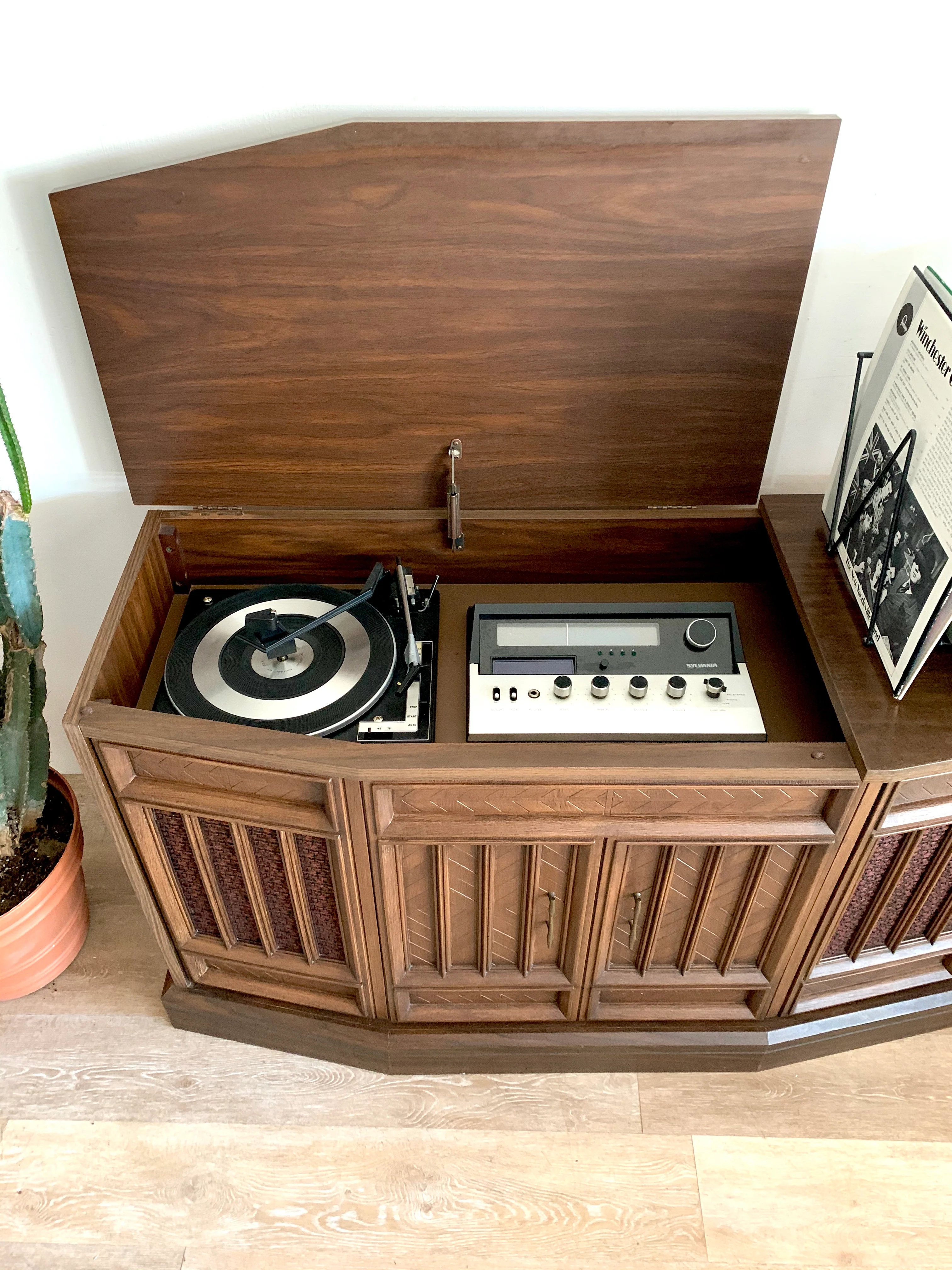
While all of those devices might be an old record player, they are not the same. The intricate mechanisms in a well-built vintage turntable are very different from those in a cheap all-in-one player or multi-purpose cabinet console. Those differences affect the sound quality you get when putting on a record.
The other part of the attraction to these older machines is their look. There is an unmistakable character or story that makes them feel more special than modern gear. That’s all well and good until you try to play your latest collection.
Is My Old Record Player Any Good?
More important than the brand of the vintage turntable you unearthed at your neighbor’s yard sale is playability. You need to examine a few things to determine whether your old record player will deliver high-quality sound and convenience.
Start with the original build quality. Plenty of vintage devices have serious engineering ingrained into their operation. Brands like Technics and Dual designed their equipment for consistent reliability, proper tracking, and longevity. Others focused more on affordability by bringing the latest recording into a teen’s bedroom or beach party.
That’s why you also need to consider whether the old record player was a real turntable or something used more for convenience and affordability. Premium players separate components, allow for cartridge updates (ensuring versatile playability), and maintain a consistent sound. Something like a cabinet-style player or all-in-one system combines everything into a single system. If one piece breaks, it makes it pretty hard to get the accurate sound you want.
When you find an old record player, look closely at:
- Cartridge & Stylus Setup: Check if the stylus is worn and if you can replace or upgrade it easily before you put on a valuable record.
- Tonearm Design: The tonearm directly controls stylus tracking in the grooves. Look for anti-skate adjustments and stable movement to achieve consistent tracking force.
- Speed Stability: Consistent playback speed is just as important. If your old record player flips between lightning fast and funeral procession, you’re going to hear some weird music and pitch.
Age really isn’t the issue. It’s more about the condition. If the old record player was stored well, away from humidity, and only needs a bit of cleaning, you’re probably in good shape. You want to go beyond “does this record player look cool in my apartment” and think more “is this device actually usable?” A legit turntable offers far more than a talking point piece in your living room.
Can An Old Record Player Damage Records?
If you’ve explored all the details of your vintage turntable and are satisfied it’s likely to play a record, the next logical step is to consider whether it will damage your collection. Always use a “throwaway” record you picked up for a few bucks at a reseller store. Don’t put on your brand-new rock album you waited two weeks to pre-order. The risk of damage is too high.
You want to be wary and consider the device’s details. That is how you’ll know if it’ll cause scratches or other damage to your vinyl.
Worn or Unknown Stylus
Start with the stylus. Make sure it sits properly in the groove. You want clean tracking, not scraping or distortion along the groove walls. If you’re unsure, try replacing the stylus from the beginning.

Heavy Tracking Force
Many older record player systems used a higher tracking force. What was “okay” at the time isn’t going to be great for a modern pressed record. The materials used to make the system alone is a concern. Better turntables allow you to adjust that force, whereas many cabinet-style players do not.
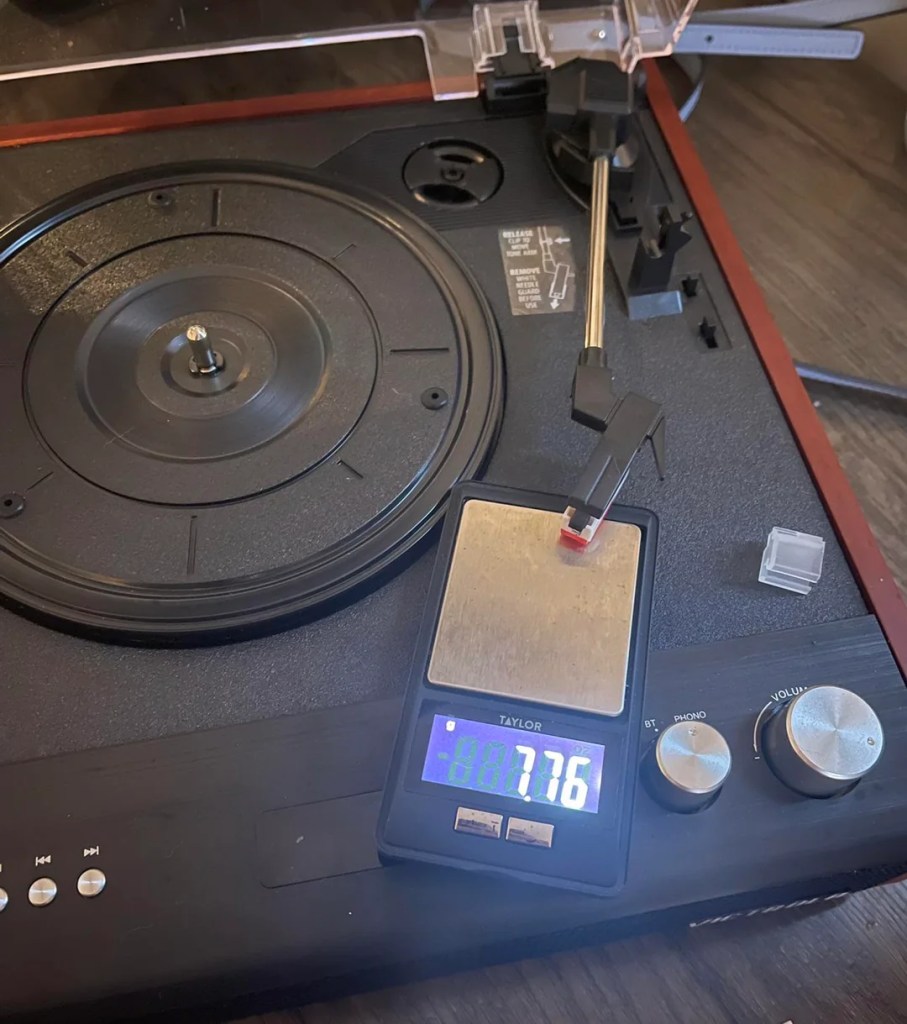
Poor Tonearm Design
The tonearm of your old record player should move smoothly. It needs to apply consistent pressure. Otherwise, it will distort the sound and create uneven wear patterns on your grooves.
Unstable Playback or Skipping
When you do put on a record and flip the switch, you don’t want skipping or the stylus hitting the same section of grooves over and over again. That is what leads to “localized” wear and will damage your records.
Ceramic Cartridge System
Some older models, especially the all-in-one players, relied on ceramic cartridges. These are much different than the magnetic cartridges used today. They require a higher tracking force and are less precise, putting a lot of unforgiving stress on your vinyl.
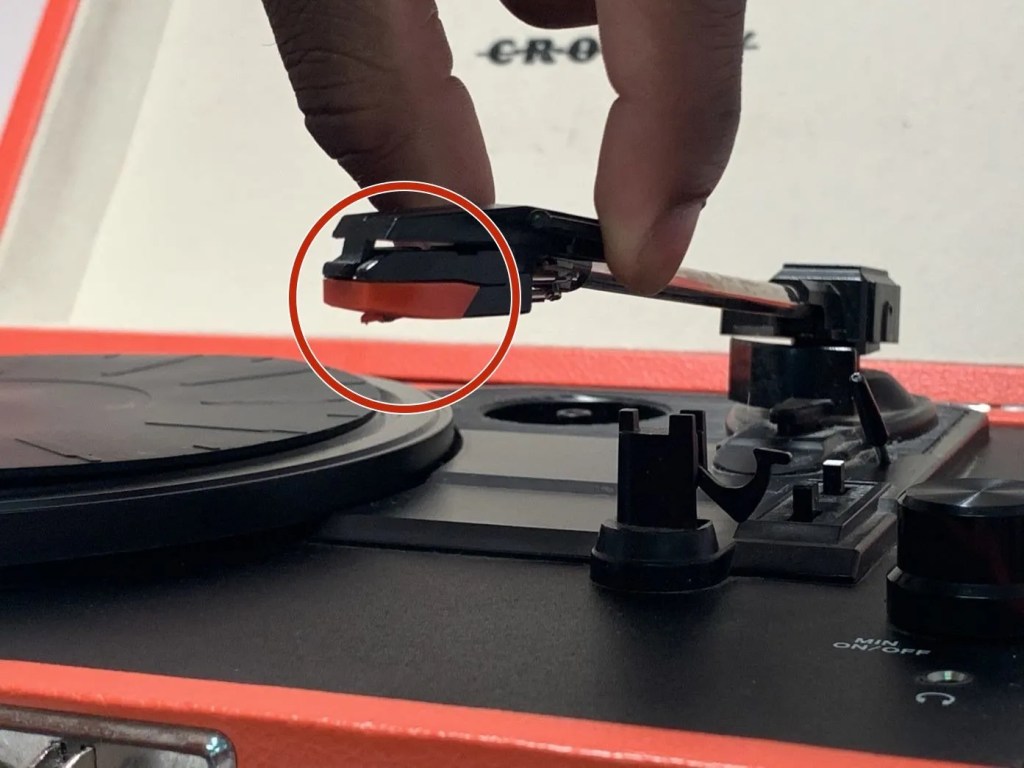
Vibration from Built-In Speakers
One thing many vintage seekers overlook with old record players is the built-in speakers. Whenever speakers are housed inside the unit where the turntable is located, you’ll get stylus vibration feedback during play.
Finding an old record player doesn’t mean you’ll damage your records, but you need to do your due diligence and examine worn parts, bad design, or incorrect setups.
Old Record Player vs. Modern Turntable Designs
An honest comparison of your old record player is crucial to getting the sound quality, vintage appeal, and visual aesthetic of your living space. It’s pretty easy to be drawn to an older model. They feel like they’ve seen more of the world and of history, which gives them a character that appeals to “old souls.”
Older models often have better materials that feel substantial. You can see the design quality in mechanical and intentional controls, or in the sense of gear interactions you don’t get with modern units.
A modern record player is more about solving practical problems. They come pre-set up or with simple instructions. All the components are designed to work in harmony, with fewer risks of variables or damage. The tracking force and anti-skate are much easier to adjust, and you can find replacement parts whenever you need. Modern design equals predictable record performance.
For anyone who loves playing vinyl regularly, all these factors matter. The type and condition of the old record player are important. A well-built vintage turntable that has been well-maintained over the years can provide a wonderful listening experience. These models can compete with modern players, assuming a similar price point.
If you happen upon an old cabinet-style or all-in-one system, the gap between quality design and modern convenience widens. These units weren’t meant to deliver the same consistent level of precision you get with today’s record player builds. They often have limitations that are difficult to manage.
The question isn’t old vs modern. It’s more of knowing whether your specific old record player will be better than what you can buy today for the same money, effort, and risk.
When It Makes Sense to Keep It and When It Makes Sense to Move On
At some point between dusting off a display case record player in a vintage shop and bringing it home to put on your newly acquired vinyl, you need to do a reality check. Here’s a quick rundown to help you make a good decision.
Keep It
Look at the “bones” of your vintage player. Keep it if it has all the functioning parts it needs, offers sentimental value, or delivers a real performance level you cannot get from modern gear. An inherited player from a beloved uncle or grandparent may not sound as good as today’s models, but it conjures feelings and emotions you wouldn’t get otherwise.
Fix It
You could come across a fantastic find that isn’t quite in playable condition, but all the essentials are there. Core components like replacing a stylus or adjusting setup elements might be all it takes to breathe new life into your vintage device.
Try taking it to a local supplier before you commit to a purchase. Ask them the cost to clean the system or replace parts. If that cost is reasonable compared to the cost of a new purchase, you might have a winner.
Move On
If the old record player you’re examining is poorly designed with worn parts beyond repair, the cost of restoration will be much higher than you’re likely to want. It’s a sad reality that a lot of older players were not designed to outlast what you can get now.
Holding onto these devices may be too expensive because you keep them in an endless storage unit system, or are likely to disappoint when you try to play a record.
An old record player should meet your needs. If you want something to play audio with your collection, it needs to function as intended. Looking vintage or using “old-school” materials is not enough.
The only exception is if you’re looking for a centerpiece in your home decor. In that case, go nuts and bring home whatever you’d like. Just make sure your guests know not to put any of your collected vinyl under a busted stylus.
Wrapping Up
Finding an old record player you can use to play all your favorite vinyl albums is wonderful. You just need to be sure you’re getting your money’s worth. What may appear to be a quality-made device can quickly turn into a money pit better suited to a retrofitted bar in your sitting room.
Plenty of players are worth using, restoring, and improving. Others are gone forever. Take your time to examine your device carefully.
If you find your old record player is not really up to the job, it may be time for the fun part: building a better system.
That is where the next set of questions starts. What speakers actually make sense with it? Do you need an amp? A preamp? Can you plug everything in directly, or are you about to buy a setup that does not even work together?
To make that easier, use our free Builder tool. You can plan your whole vinyl setup in one place, see what works together, and sort through options by price, features, and our top picks without bouncing between a dozen tabs.
More often than not, that is the route we recommend, especially for beginners.
Check out the quick demo below, and of course reach out if you have any questions.