
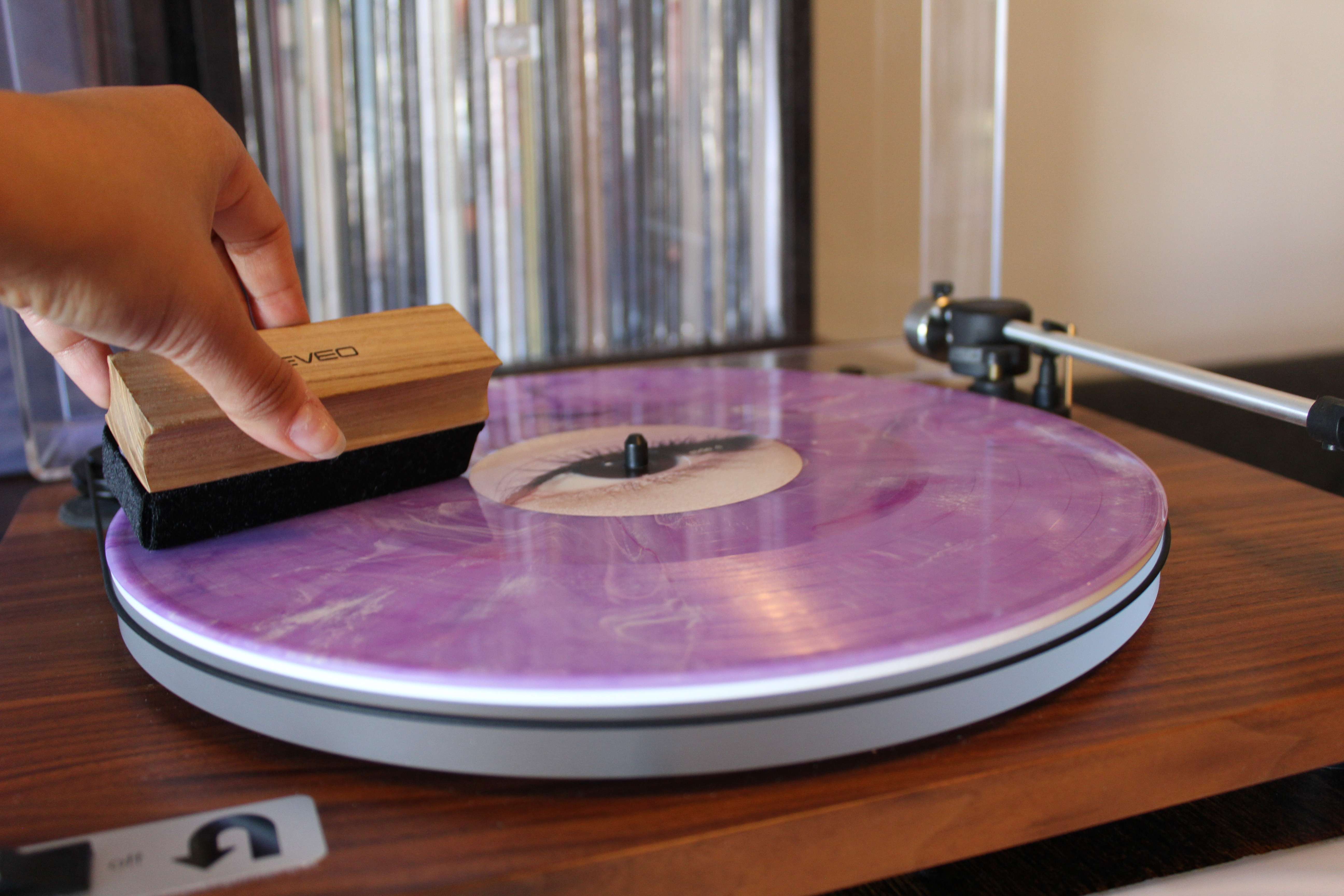
Look around the internet or social media, and you’ll find a lot of advice for cleaning a record. Most will tell you to design a near-lab-like process for your collection. The reality is that most people don’t need anything so complex.
The right vinyl record cleaner depends on what you own, how often you spin records, and where you pick up most of your collection. For most vinyl listeners, a basic routine with some easily accessible tools is all that’s needed.
You don’t need to spend thousands on a complex setup. Here are the basics that will help you keep records clean, reduce noise, and ensure your player stylus is getting the sound you want.
Table of Contents
In this guide, we’ll cover everything you need to know about valuable vinyl records broken into the following sections:
- What a Vinyl Record Cleaner Actually Does
- Most Records Only Need Basic Maintenance
- The 4 Main Types of Vinyl Record Cleaners
- Which Vinyl Record Cleaner is Right for You?
- How to Clean a Record Safely
- What Not to Use on Vinyl Records
- Conclusion: The Best Vinyl Record Cleaner for Most People
Affiliate Disclosure: We’re a small team of vinyl enthusiasts – if you get value from our insights, using our affiliate links (including Amazon Associates) helps us earn a commission and keep the lights on at no extra cost to you. Thank you for supporting Recordbuilds.com!
What a Vinyl Record Cleaner Actually Does
Before rushing to your local hardware or grocery store for the basics, it helps to know what you’re actually fixing. The goal of a vinyl record cleaner and cleaning routine is to:
- Remove any loose dust that’s settled on your vinyl
- Reduce any static you might hear when playing a record
- Clear off fingerprints and grime from your friends borrowing records
- Improve playback by reducing stylus buildup
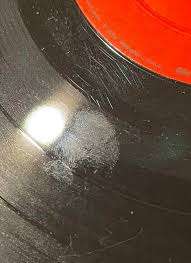
Your goal is to keep debris, dust, and buildup from getting in the way of the stylus tracking a groove cleanly. While a solid cleaning routine will achieve this goal, it won’t do repairs. A vinyl record cleaner helps eliminate or reduce contaminant-related noise. It doesn’t fix long scratches, groove wear, or bad pressing.
Most Records Only Need Basic Maintenance
Confusing basic record maintenance with complex cleaning solutions is where most people get things wrong. When you manage your collection by sticking to newer records or albums that are perfectly stored, you don’t need much maintenance. Even with a few regularly played favorites, a little TLC is all that is required.
It’s more about consistency than deep cleaning. Think about a set of brand new records you’ve received from a recent birthday. It likely only has some light dust from the sleeve or factory residue. Not inches of caked-on dirt from being lost in a time capsule.
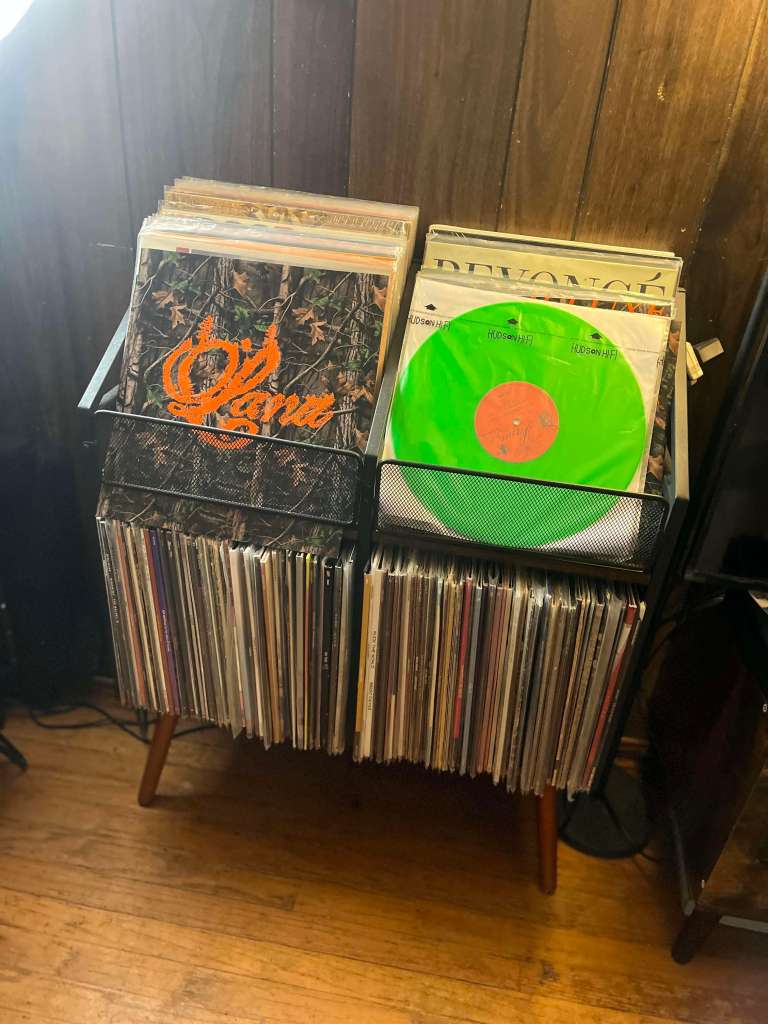
You can also reduce the need for regular cleaning by properly storing your records. Align them vertically, inside clean sleeves, and away from any excess heat (such as a wood stove) or humidity (such as near an AC unit).

Casual collectors with smaller record collections don’t let dust settle because their vinyl gets played more often. A simple routine with a vinyl record cleaner is more than enough to get the job done. Trying to “overclean” records doesn’t necessarily mean better quality sound. You’re not trying to clean all of the time, just at an appropriate level.
The 4 Main Types of Vinyl Record Cleaners
#1: Carbon Fiber Brush
Picking up a carbon fiber brush is the best way to ensure your vinyl stays clean. It’s the simple solution for everyday use, and what you should use before tossing an album on or putting it away after a long listening session.
When you hold the brush lightly across a spinning record, you’re removing light dust and cutting down on static. Those fine carbon fibers lift dust from the grooves, reducing debris buildup and preventing it from being dragged into deeper grooves by the stylus.
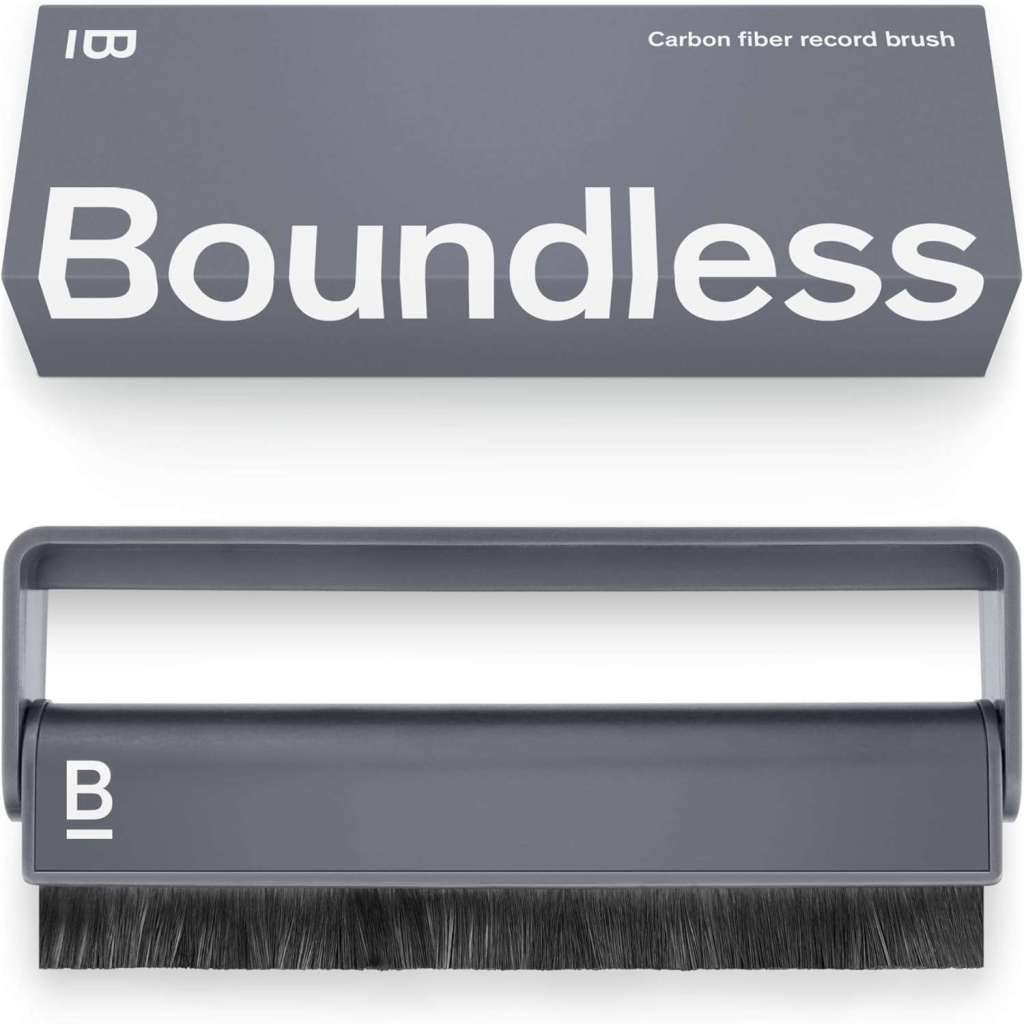
A carbon fiber brush is your first line of defense for vinyl maintenance, but it isn’t a deep cleaner. Check out the two-rowed, anti-static carbon fiber brush from Boundless Audio. It’s a high-quality tool you can keep near your collection, in a drawer or a wooden box. That way, it’s handy when you play a record.
#2: Vinyl Cleaning Solution with a Cloth or Pad
The next piece of equipment you’ll need for quality vinyl cleaning is a soft cloth or microfiber pad. The goal here is to eliminate or reduce fingerprints on your records during handling. That is where light grime and dust can settle in the grooves, especially if you have younger family members or friends borrowing your collection regularly.
Just be sure you’re using a cloth or pad designed for use with records. Something harsher, with more grit, is better for cleaning mac and cheese off a pan, not your carefully curated collection of 1960s vinyl.
A vinyl-safe cloth is useful for records that need more than a quick brush. It’s the natural progression if the dry brush doesn’t get everything. Hudson Hi-Fi offers a 5-pack of anti-static record-cleaning cloths that will do the trick.
Only use a little cleaning solution, spread it along the grooves, and then wipe up with a clean microfiber cloth. Try to wipe in the same direction as the grooves as you go. Never across them.
#3: All-in-One Record Cleaning Kits
Like most things in life, where there’s a problem, there’s a business. Plenty of companies have created all-in-one kits to keep your vinyl free of contaminants. These are good because they dislodge stuck dust, help reduce light grime, and better clean off records that are from used or resale shops.
Most kits include a brush, some form of cleaning fluid, a cloth, and maybe a stylus cleaner. No matter which kit you choose, make sure it is vinyl-safe, and use it gently. Harsh scrubbing of your records can lead to scratches or changes in the angles of your grooves.
Many beginners start with an all-in-one kit for convenience, but that doesn’t mean each piece is of better quality. It’s a good middle ground if you want a basic vinyl record cleaner on hand but are unsure where to begin. Check out the kit from Big Fudge, and you’ll find the best budget option for your collection.

#4: Deep-Clean Systems & Spin-Style Cleaners
The last option for a good vinyl record cleaner is meant for collectors. These are the people who value picking up special editions or presses. Those larger collections often have dirtier records because they haven’t been played in a while or come from stores or vintage sellers that may not have proper cleaning practices.
A deep clean is more work and includes items or equipment that cost a little more upfront. It’s not really meant for everyday record owners, but rather for serious used-record buyers.
HumminGuru has a serious ultrasonic vinyl record cleaner that is spin-related. It looks like a toaster for your record, but it spins it through brushes and solutions to remove years of caked-on dust and dirt from the grooves needed for clear audio playback. There is a bit of a learning curve, but you’ll notice the difference.

Which Vinyl Record Cleaner is Right for You?
As you can see, finding the best-suited vinyl record cleaner has way more to do with how you use your collection than how dirty it might be.
If You Mostly Buy New Records
If you’re someone who picks up the latest top 20 hit record from a big box store or online marketplace, you don’t need a lot of cleaning work. Sticking to a carbon fiber brush is likely more than enough, as your collection only needs light maintenance. A simple, quick pass before and after playback will do what you need to reduce dust, debris, and static.
If You Buy Lots of Used Records
For anyone who loves visiting a vintage market or checking out local yard sale finds, invest in a vinyl-safe wet cleaner or a deeper cleaning system. You’ll have to deal with way more embedded dirt and years of fingerprint grime gathering on the surface and in the grooves of your vinyl.
If You Play Records Casually
People who only play a classic blues album during a monthly dinner party can get by with a simple all-in-one cleaning kit. That’s the sweet spot for reducing dust that gathers in between plays and provides enough flexibility if you’re moving the collection around now and then to redecorate.
If You’re Building a Bigger Collection
The avid collector should probably invest in a complete cleaning setup. Something with a brush for daily play, but also a deeper solution for those rare presses you want to show off to fellow collectors.
How to Clean a Record Safely
While you’re considering what type of vinyl record cleaner to purchase, make sure you get into the habit of good cleaning routines. It doesn’t have to be complex. An easy routine to follow includes:
- Gently place your record on a clean surface or platter
- Use a carbon dry brush first to remove loose dirt and debris
- Wipe clean with the grooves using a vinyl-safe solution and cloth
- Let your record dry completely before playback
- When finished, store your record in a clean inner sleeve, in the vertical position
That’s it! A simple routine done consistently is more than enough to keep your collection in top shape. It’s what you use, so when you want to play a certain rock album or slow jam, it’ll be clean and ready for use.
What Not to Use on Vinyl Records
If you remember one thing from this article, please never use harmful cleaners on your vinyl. They tend to leave behind residue or break down the grooves from chemical damage that can harm the quality of sound you get.
For example, skip the rough paper towels or household cleaners. Don’t use a cloth that is too rough or that’s been used for other purposes. If you do come across any “DIY vinyl record cleaners” like a quick hack on TikTok, treat them with skepticism. It might be viral content, but it could also lead to serious damage to your vinyl.
Stick to the basics. Even something as simple as the wrong cleaner can easily make a problem much worse.
Conclusion: The Best Vinyl Record Cleaner for Most People
For the vast majority of record owners in the world, the best vinyl cleaner is not the most expensive new kit being pushed by influencers or the advanced tool an enthusiast swears by. What you need is a simple setup that matches your playing habits and the size of your collection.
Most people can get by with a carbon fiber brush and a vinyl-safe cleaning solution. If you have a new collection, the brush will do. If you love used vinyl or hard-to-find presses, go for a wet-cleaning kit or something deeper. For any casual collection, a good all-in-one kit does the job.
With consistency and habit-building, you can keep your records clean so that when you put on that slow, sweet music for the special partner in your life, you set the audio ambience you want.