

I know who you are.
You’re either:
- You just saw a TikTok where someone casually says their collection is worth $25,000 on Discogs.
- You just found a random stack in your parents’ attic and you’re trying to decide if you should list it on Facebook Marketplace or just throw it away.
Well, let me break it to you. You’re probably somewhere in between.
Your vinyl records are likely worth something. But that value honestly depends on how much work you want to do to figure it out, and how much work you want to do to sell it.
That sounds annoying, but it’s also the good news.
Because this isn’t some mystery where you need to “know a guy” to get an answer. If you’re willing to do a little digging, you can actually get a pretty clear idea of what you have, what’s worth your time, and what’s not.
So in this guide, I’m going to show you how to price your records step by step, without getting overwhelmed, and without wasting time on the ones that are basically just clutter.
Table of Contents
In this article, we’ll cover everything you need to know about figuring out how much your vinyl records are worth, broken down into the following sections:
- What Make a Rare Vinyl Record
- A Simple Guide to Finding Out How Much My Vinyl Records Are Worth
- How and Where To Sell Your Vinyl Records
- Conclusion: Why Vinyl Is Priceless – But Not Always Profitable
What Makes a Rare Vinyl Record?
Determining a record’s rarity can be a bit of an art form. While it may seem straightforward, there are several factors at play. Here’s a breakdown of what makes a record rare, and why collectors are willing to pay top dollar for certain albums.
Limited Editions
One of the most obvious indicators of a record’s rarity is its limited availability. Records pressed in small quantities, especially special limited editions or colored vinyl, tend to become highly sought-after.
For instance, a limited run of 3000 Sgt. Pepper’s red vinyl pressings will likely sell out quickly, making them much harder to find down the road. However, rarity doesn’t automatically mean valuable – 3000 copies of a niche polka record won’t fetch the same demand.
Early Pressings
An early pressing or first edition of a famous album is often the most desirable. Early pressings of albums by the most popular “record” bands – think Led Zeppelin, Pink Floyd, Jimi Hendrix, etc, are considered some of the most valuable in the vinyl world.
These early copies, produced before reissues or remasters, are seen as closer to the artist’s original intent, which makes them more valuable to collectors.
Labels and Special Pressings
Special pressings and records released by highly regarded labels, particularly from the 1960s, can hold significant value. As a rough guide, stereo recordings from the 1960s on labels like Philips, RCA Red Seal, London/Decca, Columbia, and EMI are worth money, especially in mint condition. Additionally, special releases such as Record Store Day editions or anniversary pressings often carry extra value due to their limited runs.
Obscure Regional Pressings
Some records were only ever pressed in certain regions or countries, and finding one outside its original area can feel like stumbling upon buried treasure. Imagine a Japanese pressing of Abbey Road with its unique obi strip or a Nigerian funk record from the 1970s. These gems often have different artwork, tracklists, or even mixes, making them irresistible to collectors who want a piece of the unique history.
Controversial Covers
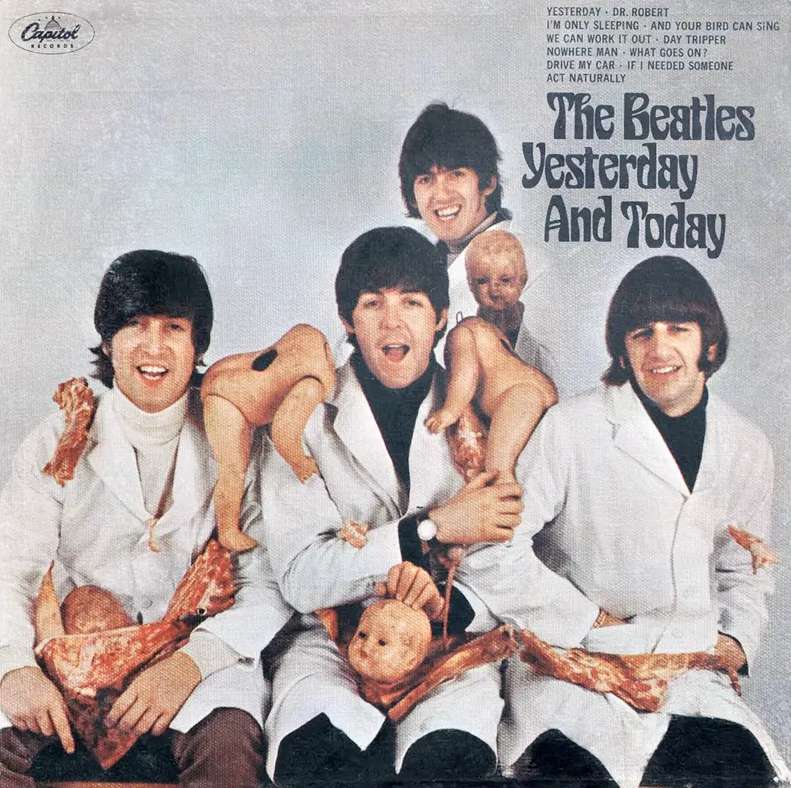
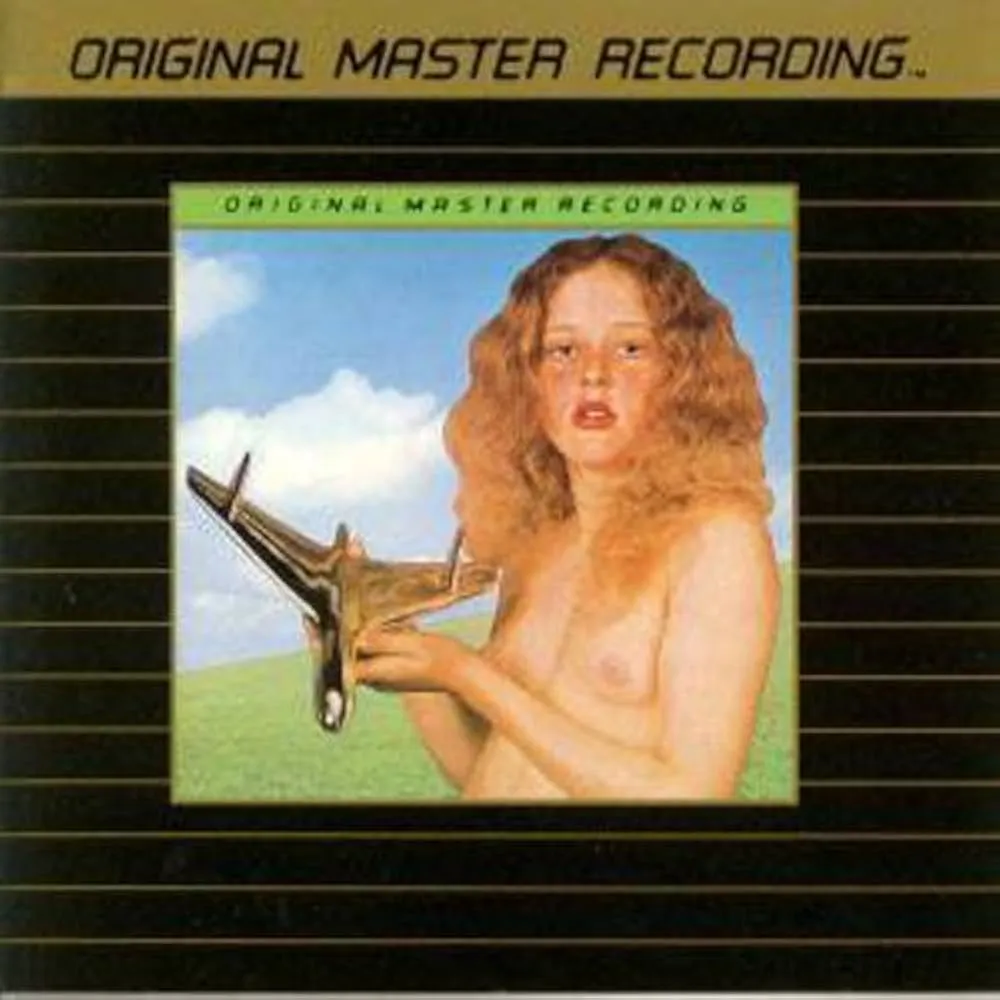
Sometimes it’s not the music that makes a record valuable – it’s the drama. Covers that were banned, altered, or deemed too risqué can add a spicy backstory that collectors love. The infamous “butcher cover” of The Beatles’ Yesterday and Today or the original art for Blind Faith’s self-titled album are prime examples. The more scandalous or short-lived the artwork, the higher the demand.
Misprints and Errors
Sometimes, a mistake in production can turn a regular release into a collector’s item. These misprints or manufacturing errors, like a mislabeled track or incorrect artwork, make the record unique and thus more desirable. For instance, certain versions of Bob Dylan’s The Freewheelin’ Bob Dylan that feature songs later swapped out for different tracks are highly sought after.
Condition Is Everything
Condition plays a huge role in determining a record’s value. A rare album in poor condition – deep scratches, warping, or worn-out sleeves – won’t fetch nearly as much as a near-mint copy. Albums with their original sleeves, inserts, or posters add value, especially if these extras are in mint condition.
Think an early pressing of The Rolling Stones’ Sticky Fingers with its famous zipper cover can be worth hundreds in mint condition, but much less if the zipper is broken or the vinyl itself is damaged.
A Simple Guide to Finding Out How Much My Vinyl Records Are Worth
Ok this is the part where how much are my vinyl records worth stops being theoretical and starts becoming a real number.
That being said, let’s dive into the play-by-play of how to figure out if that stack of vinyl records you uncovered is worth anything. While the general guidelines above are good, it can feel overwhelming to figure out pricing if you’re not familiar with this world. Let’s break it down into a few key points that will help you quickly evaluate your collection.
Start with the Condition
Condition plays a huge role, and you don’t want to worsen it. Here’s how to ensure you don’t damage what could be a valuable record. We covered a these tips in depth in our article: How To Clean Vinyl Records if you want a more detailed guide.
- Handle carefully: Always avoid touching the grooves – hold records by the edges or center to prevent fingerprints and damage.
- Protect the cover: Keep your covers and sleeves free of creases, tears, and ring wear. That “duh” factor matters when it comes to resale value.
- Storage matters: Store vinyl vertically, in a dry and cool place. Heat and humidity can warp records, making them essentially worthless.
- Assess your records: Check for deep scratches, warping, or missing sleeves. Take note of how well these records have been maintained.
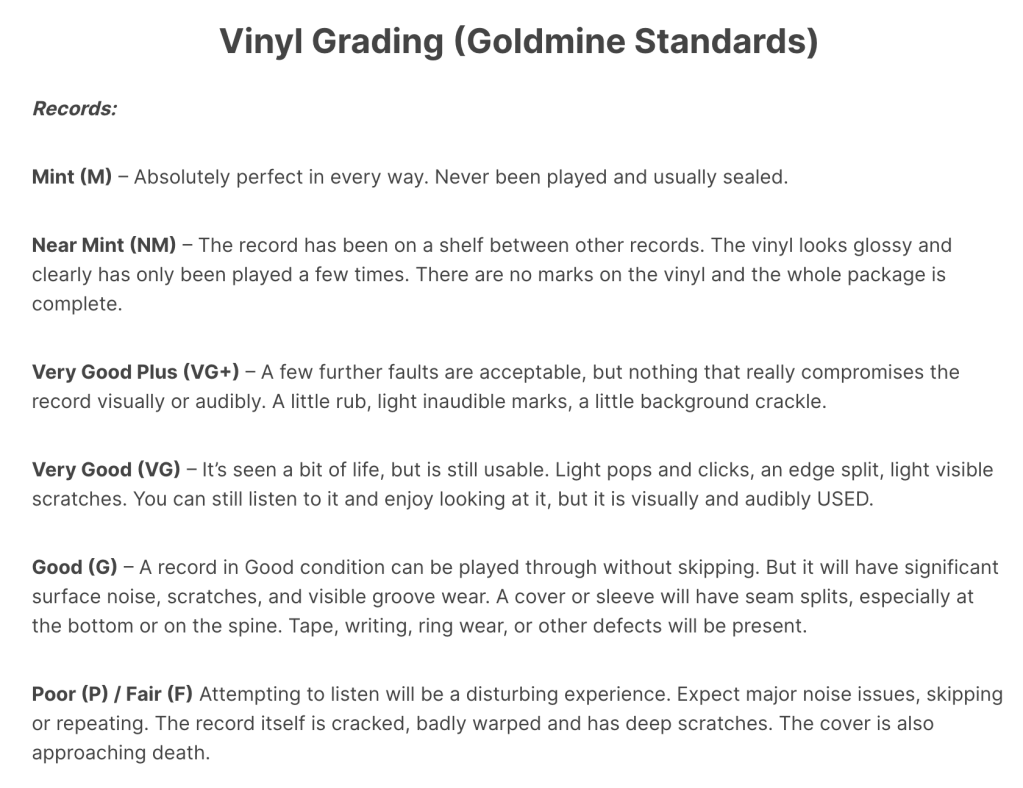
- Learn the Goldmine Scale: Vinyl collectors use the Goldmine Grading Guide to assess condition. It’s a bit nuanced, but you will get you familiar with the terminology and what they look like which can make all the difference in price.
Check for Unique Features
Unfortunately, this is where you’re going to have to get a bit down and dirty. Evaluating a record’s value means examining every detail – this isn’t the time for guesswork. You’ll need to dig into the small but important nuances that might turn a $5 record into a $500 one. Whether it’s a rare misprint or a limited-edition release, these unique features can make all the difference.
- Look for limited editions: Special anniversary editions, Record Store Day releases, and colored or numbered vinyl are often more valuable than regular pressings.
- Search for unique characteristics: Albums with unique features like holographic covers, picture discs, or misprints can be more valuable due to their rarity.
- Pay attention to the label: Some labels, like Blue Note, Decca, or Columbia, are known for releasing highly sought-after albums, especially from the 1960s.
- Country of origin matters: Records pressed in the artist’s home country tend to fetch higher prices than international versions. For instance, UK pressings of The Beatles albums are often more valuable than U.S. pressings.
- Autographs or personalization: A signature from the artist can make a huge difference in value. Just make sure the signature is authentic and not a reproduction, as signed records often come with certificates of authenticity.
Do Your Research
Once you’ve gone through your pile of records and identified the specific pressings and conditions of each one, the next step is research. If you want the quickest real-world answer to much are my vinyl records worth, your next stop is sold listeings.
Luckily, we live in the internet age, where resources like Discogs and Popsike can give you a solid idea of how much similar records have sold for recently. These platforms offer detailed listings, including the condition, specific pressing, and sale prices, so you can get a sense of what your record is actually worth in the current market. Even a simple Google search or a quick browse through eBay can provide a rough estimate of what people are asking for the same or similar albums, but bear in mind that asking price and selling price can often be worlds apart.

Remember, it’s not just the artist or album name that matters – it’s the specific pressing. Labels, matrix numbers, and even the country of origin can make a huge difference in the final value of a record. A first pressing of an album, for instance, is often worth far more than a later reissue, and certain labels or pressing plants may be more sought-after by collectors. Taking the time to look up these details will give you a much clearer idea of what you’re holding.
At the end of the day, the short answer to everything in this article could be summed up in one word: Discogs. In about 90% of cases, this platform will give you a pretty cut-and-dry answer to what your record is worth. With detailed listings and accurate valuations, it’s an essential tool for any collector. But, for that other 10% of rare, unique finds, or when condition nuances come into play, taking that extra time to dig deeper might reveal hidden value.
If you’re uneasy about diving into this kind of detailed research or don’t want to go through the legwork yourself, don’t hesitate to ask for help. Reach out to an enthusiast friend, visit a trusted local record store, or even ask an online community like r/vinyl for guidance.
How and Where To Sell Your Vinyl Records
When it comes to selling your vinyl records, there are essentially two main routes you can take.


If you’re aiming to get the highest possible returns, selling them individually on platforms like Discogs, eBay, or Facebook Marketplace is the way to go. These platforms connect you with collectors and fans who are willing to pay premium prices for their favorite artists or rare pressings. But while this method can lead to bigger profits, it also requires more time, effort, and patience.
On the other hand, if you’re looking for a faster, hassle-free way to offload your collection, selling your records in bulk to a local record store or through a secondhand dealer is the simpler option. While you won’t make as much per record, it’s a quicker process with less effort involved. This method is ideal if you’re more interested in clearing out space and getting cash in hand without the wait. Each approach has its pros and cons, so it really depends on how much time and energy you’re willing to invest.
Selling Vinyl Records Individually: Maximizing Your Return
If you’re looking to get the most out of your vinyl collection, selling records individually is your best bet. Platforms like Discogs, eBay, and Facebook Marketplace give you direct access to collectors willing to pay top dollar for rare or favorite pressings. On these sites, you can set your prices based on condition, rarity, and demand, which often means higher returns.
However, with this approach, you’re trading money for time. Selling individually requires effort in grading, pricing, and accurately listing each record. You’ll also need to familiarize yourself with proper packaging techniques to avoid damage during shipping. Plus, there’s the potential headache of dealing with picky buyers, returns, or endless questions about the condition of your records. If you have the patience and time to invest, though, this is by far the most profitable method.
Selling Vinyl Records in Bulk: Fast, but Less Profitable
If you’re more focused on convenience, selling your collection in bulk to a local record store is the way to go. This is the fastest way to unload a large collection without much hassle. You bring your records in, and the store offers you a price – usually around 50% of what they will sell them for. While this method won’t make you as much money as selling individually, it’s quick, easy, and free from the hassles of online sales.
That said, be prepared for a lower payout. Record stores need to cover their overhead, such as paying employees, rent, and other business expenses. Plus, they take on the risk of holding stock that may not sell. It’s a simple exchange: you get quick cash, and the store takes on the effort of reselling. If you’re okay with getting a lower return in exchange for speed, selling in bulk is a practical option.
Conclusion: Why Vinyl Is Priceless – But Not Always Profitable
When people ask how much are my vinyl records worth, what they usually mean is “how much can I actually get for these if I sell them?”
So I will be the first to tell you: Yes, your vinyl records are definitely worth something – but most of the time, the value is overstated, speculative and often more sentimental than financial. It takes serious commitment, research, and knowledge to truly maximize the potential of each record and sell them at top dollar, as opposed to offloading hundreds in bulk at a heavy discount.
Sure, individual records can sell for $100 or more, but finding the right buyer could take months or even years. If you’re trying to offload 100+ records in one big lot, you’ll be lucky to get $1 per record. But hey, while selling in bulk may not be lucrative, $100 in your pocket is still $100 in your pocket.
There’s a growing trend where people view the Discogs value of their collection like it’s some kind of hedge fund portfolio. The reality is, as far as money goes, your records are worthless until you actually sell them. Instead of obsessing over their monetary value, focus on the music and what it means to you. Personally, I buy to listen because I’m a music fiend, not to hoard. At the end of the day, we’re all just collecting cardboard and plastic with memories attached…but that’s where the real value lies – right in the grooves.