
Not all vinyl records are created equal. Some albums sound good on just about anything. Others have so much going on beneath the surface that you really need a great setup to appreciate them.
At least, that’s what the audiophiles will tell you. You know, the people with $10,000 setups who swear you’ll hear your favorite album for the first time all over again.
But will you really? You’ve probably heard The Dark Side of the Moon a hundred times. Is the 101st listen going to be any different just because you’re playing it on a fancy setup? Who knows.
But it got us thinking. Spotify has a curated playlist of songs to test your headphones. So what about vinyl? What are the best records to put your turntable, speakers, and the rest of your setup through their paces?
And we’re not just talking about albums that sound clean or have a lot of bass. We’re talking about records where the production is every bit as impressive as the music itself. Albums that reveal what your gear is capable of, expose its weaknesses, and maybe even make you fall in love with a song all over again.
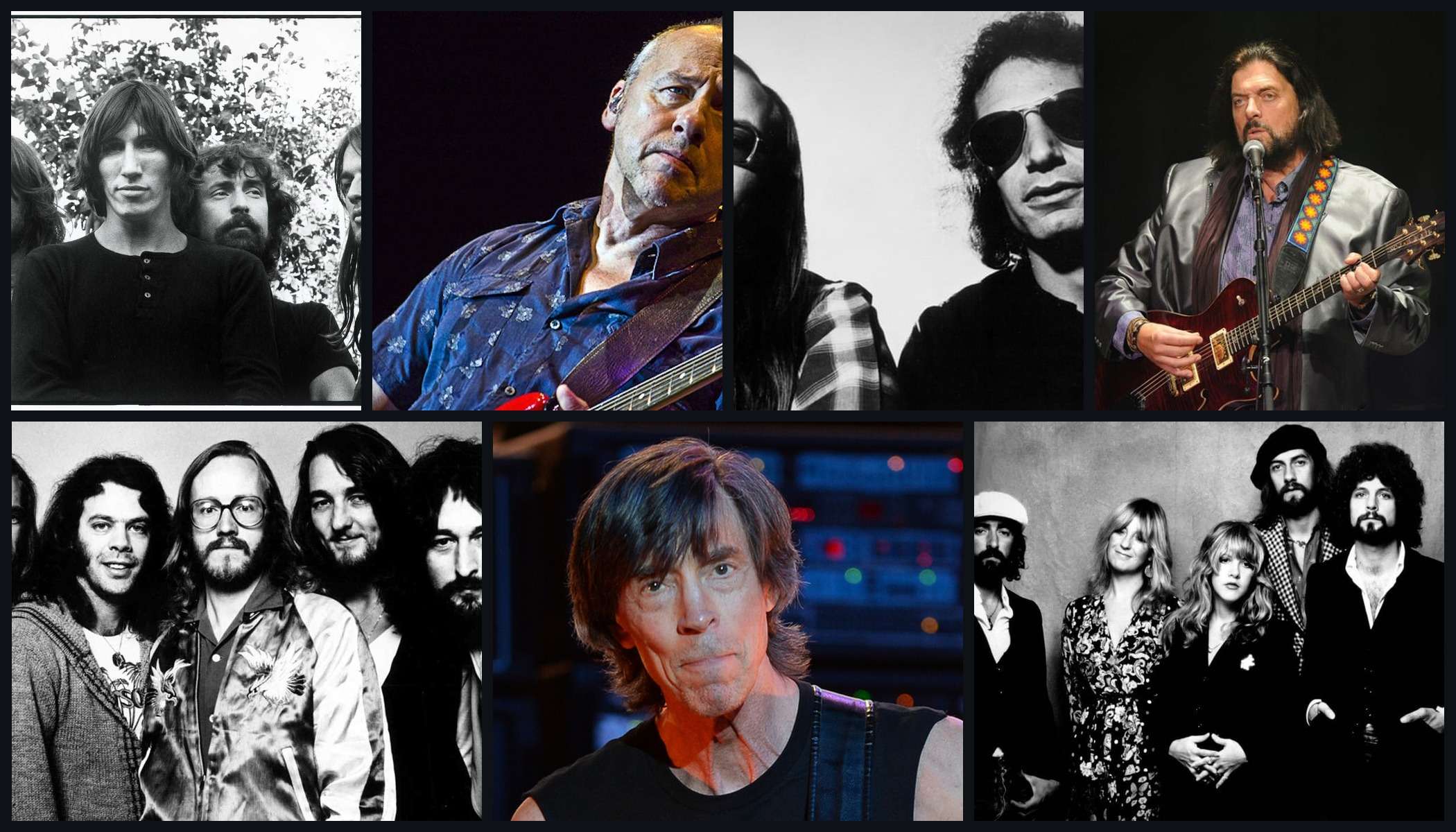
Here are seven of our favorites.
Why Top Tier Records Matter
Hold on. Before we get to the albums, I wanted to explain why this stuff matters in the first place.
Beyond the emotional experience of hearing your favorite music in a whole new way, these records serve a practical purpose. For the ultra-nerds, they’re essential for testing and comparing gear. For the rest of us, there’s something pretty special about hearing a song you’ve listened to a hundred times and noticing something new.
But practically speaking, there are two main reasons to keep a few great test records around:
Compare Components: Thinking about upgrading your speakers, cartridge, or amplifier? Playing the same familiar record makes it easier to hear what’s actually changed and whether that expensive new piece of gear is worth it.
Fine-Tune Your Gear: A good test record can help you spot weaknesses in your setup, from speaker placement to sound balance. Sometimes a small adjustment makes a surprisingly big difference.
Must Have Records To Test Your Audio Setup
1. Pink Floyd – The Dark Side of the Moon
I know. Starting with The Dark Side of the Moon is about as predictable as it gets. But there’s a reason this album ends up on just about every audiophile’s list. And honestly, leaving it off just to be different would be silly.
The 1970s were a pretty incredible time for recording technology, and Pink Floyd were right in the middle of it. They recorded this album at Abbey Road on 16-track tape, with a young Alan Parsons behind the engineering desk. What makes that interesting is just how much work went into creating sounds that we’d probably take for granted today.
Take Money. Those cash registers, coins, and other noises weren’t pulled from some digital sound library and dropped into a computer. The band actually recorded and spliced sounds together into a tape loop. And those clocks at the beginning of Time? Parsons had recorded them in an antique clock shop.
That’s the kind of obsessive stuff I love.
But here’s why it belongs on this list. There’s a ridiculous amount going on in this record, yet you can still pick out individual instruments, voices, and effects. One minute you’re listening to something quiet and delicate, and the next you’ve got clocks ringing, guitars screaming, and Clare Torry singing like her life depends on it.
It’s a pretty great workout for your speakers. And if you’ve heard this album a hundred times already, all the better. You know what it’s supposed to sound like.
Why It’s Perfect:
- Stereo separation: Between the instruments, voices, and sound effects, there’s plenty to test how well your speakers create a sense of space.
- Dynamic range: From the quieter moments to the explosive ones, this album gives your system plenty to deal with.
- Production: The amount of work that went into this record is pretty nuts, especially considering the technology they had in 1973.
Key Moments:
- Time: The opening clocks. Can you hear the individual ticking and ringing sounds, or does it all blend together?
- Money: Those iconic cash registers and that bass line. A great test of detail and bass control.
- The Great Gig in the Sky: Clare Torry’s vocals. See how your speakers handle the transition from soft singing to those huge, powerful notes.
- Eclipse: Here’s a fun one. On some older versions, you can faintly hear an orchestral rendition of the Beatles’ Ticket to Ride near the very end. Seriously. See if your copy has it.
I know this is about testing your setup but here’s the spotify track so you can listen real time…I will include for each of these albums.
2. Dire Straits – Brothers in Arms
Here’s a funny one. Brothers in Arms is considered an audiophile classic, but it also helped kick off the CD revolution. It was one of the first major rock albums recorded digitally, using a Sony 24-track machine, and became the first album to sell a million CDs.
So what’s it doing on a list of vinyl records?
Well, for one, it sounds pretty damn good.
Even 40 years later, What Hi-Fi? is still singing its praises for the care that went into the recording. And I think that’s fair. The clarity on this album is ridiculous. Every guitar note, drum hit, and little detail seems to have its own space.
Although, I can also see why some people find it a little too polished. It’s got that unmistakable ’80s production, and not everyone loves it. Even Classic Rock’s anniversary review acknowledges that parts of it haven’t aged quite as well as others.
But here’s my favorite part. That iconic guitar riff on Money for Nothing? Almost an accident.
According to engineer Neil Dorfsman, they were trying to get something resembling ZZ Top. The microphones weren’t even positioned properly when they stumbled onto that sound. It was so good they left everything alone. Later, they tried recreating it in another studio and couldn’t.
Sometimes you just get lucky.
And that’s what makes this record interesting to me. All this expensive technology, meticulous engineering, and obsession with getting everything right. Yet one of its most recognizable sounds came from a happy accident.
Why It’s Perfect:
- Clarity and separation: Knopfler’s guitar playing is the star here. Listen for how cleanly the individual notes come through, especially when the rest of the band kicks in.
- Depth and dynamics: There’s a lot of space in these recordings. A good setup should make the quieter passages feel intimate without losing the impact when things get loud.
Key Moments:
- Money for Nothing: That opening drum build and the famous guitar riff. Turn it up a little and see how well your speakers handle the punch.
- Your Latest Trick: The trumpet and saxophone are fantastic for hearing how your setup handles individual instruments and their placement.
- Ride Across the River: One of the more interesting tracks for testing depth and atmosphere. Listen to the percussion and all those little sounds happening in the background.
- Brothers in Arms: Knopfler’s guitar tone is the reason to listen. Give this one your full attention and come back to the comments. I’d love to hear what you think.
3. Steely Dan – Aja
Seeing a theme here with the perfectionists?
If Pink Floyd and Dire Straits were obsessive about their recordings, Steely Dan took it to another level. Donald Fagen and Walter Becker were notorious for being difficult to please, sometimes bringing in musician after musician until they got exactly what they wanted.
How bad was it? For the guitar solo on Peg, they reportedly went through seven or eight guitarists before settling on Jay Graydon. And these weren’t amateurs. We’re talking about some of the best session musicians in the business.
But the funny thing is, Steve Gadd apparently nailed his now-famous drum performance on the title track in just two takes. Wayne Shorter, one of the great jazz saxophonists, came in later and added his solo. Somehow, everything just worked.
The result was Aja, an album that won the Grammy for Best Engineered Recording in 1978. And nearly 50 years later, audiophiles are still obsessing over it.
Now, I get why Steely Dan isn’t everyone’s cup of tea. Their music can feel almost suspiciously polished. Even Stereophile acknowledges that some listeners find the band a little soulless. Personally, I think that’s missing the point.
Listen to Aja on a good setup, and you start to appreciate just how much is happening. The bass, drums, keyboards, horns, and vocals all seem to have their own space. Nothing is fighting to be heard. And with musicians this good, you actually want to hear every little detail.
It’s one of those records that makes you appreciate the people behind the music just as much as the people making it.
Why It’s Perfect:
- Instrument separation: There’s a lot going on, especially on the title track. A good setup should let you follow individual instruments without everything turning into a mess.
- Bass and rhythm: The bass lines and drum grooves are incredibly tight. Great for hearing whether your speakers deliver clean, controlled bass.
- Production: It’s almost absurdly clean. Whether that’s your thing or not, it makes for a great record to compare different setups.
Key Moments:
- Aja: Steve Gadd’s drum solo and Wayne Shorter’s saxophone. Two incredible performances that somehow fit together perfectly.
- Peg: Jay Graydon’s guitar solo and Michael McDonald’s layered backing vocals. Listen to how everything sits in the mix.
- Black Cow: That opening groove. Pay attention to the bass, drums, and keyboards, especially how clearly you can hear each one.
- Home at Last: Bernard Purdie’s famous shuffle. A great test of how well your setup handles the little details in the rhythm.
4. The Alan Parsons Project – I Robot
Alan Parsons again. I promise this isn’t secretly a list of albums he’s worked on.
But seriously, the guy knew his way around a recording studio. And unlike The Dark Side of the Moon, where he was working behind the scenes, I Robot was his own creation alongside songwriter Eric Woolfson.
Here’s a fun bit of history. The album was originally supposed to be based on Isaac Asimov’s I, Robot, but they couldn’t get the rights. So they dropped the comma, came up with their own concept about humans and machines, and released it in 1977. By sheer coincidence, it arrived in American record stores the same week as Star Wars. Talk about good timing.
And the music? It’s pretty wild. You’ve got synthesizers, orchestras, choirs, funky bass lines, and enough studio effects to make you wonder what exactly Parsons was doing in there.
Even with 24 tracks of analog tape, which was a big upgrade from the 16 tracks used on Dark Side, Parsons was constantly running out of room. He’d have to combine recordings to free up tracks and sometimes add effects during the final mix. All that work for an album that sounds like it came from the future. Well, at least what people in 1977 thought the future sounded like.
Some of it definitely sounds dated today. Even SoundStage, which gave the album’s Mobile Fidelity pressing five stars for sound quality, thought some of the electronic effects hadn’t aged particularly well. Funny enough, they found the disco influences held up better.
But that’s part of the charm. And as a test record, there’s a lot to love. The music constantly shifts between quiet electronic passages, punchy rhythms, and these enormous orchestral sections. If your speakers struggle with instrument separation or sudden changes in volume, this album gives them plenty of opportunities to show it.
Why It’s Perfect:
- Dynamic range: The music moves from subtle electronic sounds to huge orchestral passages. A great test of how your setup handles both extremes.
- Instrument separation: Synths, guitars, vocals, and orchestras all fighting for space. You should still be able to pick out the individual parts.
- Bass response: The funky bass lines and electronic low end are great for hearing how controlled your speakers really are.
Key Moments:
- Total Eclipse: Orchestra and choir going absolutely nuts. If you want to push your speakers, this is the one.
5. Supertramp – Breakfast in America
Finally, something you can sing along to without feeling like you’re conducting a scientific experiment.
Don’t get me wrong. Breakfast in America is every bit as carefully produced as the other albums on this list. But unlike some of the more serious audiophile favorites, this one is just plain fun. You’ve got catchy piano riffs, saxophone solos, ridiculous harmonies, and enough hits to make you forget why you put the record on in the first place.
And here’s something I didn’t know. Supertramp recorded this album at the same Los Angeles studio where Steely Dan worked on Aja. They even shared an engineer, Lenise Bent. Apparently, some of that perfectionism rubbed off. Saxophonist John Helliwell recalled that the band spent about a week just getting the drum sound right.
A week. On the drums.
Now, whether that was worth it is up for debate, but the result is hard to argue with. Even Hi-Fi News was praising the album in 2026, giving a recent half-speed-mastered pressing a 90% sound-quality rating and calling it a hi-fi demonstration classic.
Personally, I think this might be the most enjoyable record on the list to actually test a setup with. The production is clean, the instruments have plenty of room, and the songs constantly shift between quiet little details and big, catchy choruses.
Plus, you know you’ll be singing along the whole time. Good luck doing any serious audio testing once Goodbye Stranger gets going.
Why It’s Perfect:
- Instrument separation: Between the piano, saxophone, guitars, and harmonies, there’s plenty going on. A good setup should let you hear each part without losing the whole song.
- Dynamics: These tracks move between quiet verses and big choruses. Great for seeing how your speakers handle changes in energy.
- Enjoyment: Maybe not the most scientific reason, but who cares? This is one of those records that’s genuinely fun to listen to from start to finish.
Key Moments:
- The Logical Song: That electric piano, the little sound effects, and Helliwell’s saxophone solo. There’s a lot to pick apart here.
- Goodbye Stranger: Listen to the contrast between Rick Davies’ lead vocals, those high backing harmonies, and the guitar solo at the end.
- Take the Long Way Home: The harmonica opening, piano, and saxophone give your speakers a nice workout.
- Child of Vision: A bit of a sleeper pick. The piano and rhythm section really get going toward the end. Don’t skip this one.
6. Boston – Boston
Now here’s a guy who took the whole perfectionism thing to a pretty ridiculous level.
Tom Scholz was an MIT-trained engineer working at Polaroid by day and recording music in his basement by night. And not just messing around with a few demos. He spent years building his own equipment, recording instruments himself, and trying to get his songs exactly right.
Here’s the crazy part. When Epic Records finally signed Boston, they wanted the album recorded in a proper studio in Los Angeles. Scholz wasn’t having it. So producer John Boylan helped arrange for the rest of the band to head out west while Scholz stayed behind, recording most of the instrumental tracks in his basement.
The label thought they were paying for a big professional recording. Meanwhile, Scholz was using a $100 Yamaha acoustic guitar and homemade equipment.
And somehow, the result was one of the biggest debut albums in rock history.
Even AllMusic credits Scholz’s unusual guitar sound and Brad Delp’s vocals for giving Boston something completely different from the other rock bands of the era.
Of course, not everyone was impressed. Critic Robert Christgau gave the album a C, and the whole polished arena-rock sound became an easy target for people who thought rock music was getting too commercial.
Personally, I don’t care. Put on More Than a Feeling and tell me those guitars don’t sound incredible.
That’s why this album belongs here. Scholz layered guitars and vocals until they sounded absolutely enormous, but there’s still plenty of detail underneath all that noise. It’s a great record for testing whether your speakers can handle a big wall of sound without turning everything into mush.
And unlike some of the other records on this list, this one practically begs you to turn up the volume. Within reason, of course.
Why It’s Perfect:
- Guitar separation: Scholz’s layered guitars are the main attraction. Listen for the individual parts instead of one giant wall of distortion.
- Vocals: Brad Delp’s soaring voice and stacked harmonies are a great test of clarity, especially when the guitars kick in.
- Dynamic range: The contrast between quiet acoustic passages and those massive electric guitar sections makes this a fun test of your system.
Key Moments:
- More Than a Feeling: The acoustic guitar opening, followed by those huge electric guitars and Delp’s vocals. Pretty hard to beat.
- Peace of Mind: The layered guitar riffs and busy bass lines. See how well you can follow each instrument.
- Foreplay/Long Time: That organ intro building into the full band is a great workout for your speakers.
- Hitch a Ride: My sleeper pick. Listen to the Hammond organ solo and the layered guitar solos toward the end. There’s a lot happening here, and it’s worth giving the whole thing your attention.
7. Fleetwood Mac – Rumors
To be real, Fleetwood Mac has never exactly been my cup of tea. But I’d probably catch a lot of heat if I left Rumours off this list. And to be fair, it absolutely deserves a spot.
For one, this might be one of the most three-dimensional sounding records out there. Everything has its own space. The guitars, drums, vocals, and bass all seem to come from different places in the room. It’s the kind of album that makes you understand why audiophiles obsess over speaker placement.
But what’s even more interesting is the absolute mess that went into making it.
If you know anything about Fleetwood Mac, you probably know the story. Lindsey Buckingham and Stevie Nicks were breaking up. John and Christine McVie were getting divorced. Mick Fleetwood’s marriage was falling apart, too. And somehow, these people still had to show up and make music together.
According to producer Ken Caillat, the sessions were full of fighting, drinking, drugs, and enough relationship drama to keep a therapist employed full-time.
And yet, the album sounds incredible. Go figure.
Here’s a fun one. The Chain, arguably the best song on the album, wasn’t even recorded as one complete song. It started as something called Keep Me There, and the band spent months taking it apart, rearranging sections, and literally cutting tape until they had something that worked.
That famous bass riff from John McVie? It almost ended up buried in a song that never got finished.
As for the sound, The Center for Recorded Music is particularly enthusiastic about the 45 RPM reissue, praising its deeper bass, vocal separation, and sense of space compared with earlier pressings.
Personally, I still wouldn’t reach for this record before some of the others on this list. But there’s no denying how well these five musicians fit together, even when they apparently couldn’t stand each other.
Why It’s Perfect:
- Soundstage and depth: This is the big one. Listen to how the instruments and vocals occupy different spaces rather than blending into one big sound.
- Vocal clarity: Three very different lead singers, plus some incredible harmonies. Great for testing how naturally your speakers reproduce voices.
- Instrument separation: The guitars, bass, and drums all have room to breathe, especially on the more layered tracks.
Key Moments:
- The Chain: That famous bass riff before the explosive guitar ending. One of the best moments on the entire list, if you ask me.
- Dreams: Stevie Nicks’ vocals floating over that ridiculously smooth bass and drum groove. Listen to how everything sits together.
- Never Going Back Again: Buckingham’s acoustic fingerpicking. A great test of detail, especially the little sounds coming from the guitar strings.
- Gold Dust Woman: Stevie’s haunting vocals, the strange background effects, and the increasingly chaotic ending. Fun fact: Mick Fleetwood actually smashed sheets of glass in the studio to add to the atmosphere.
And if you’re going to test just one track, make it The Chain. Turn it up a little. You know the part I’m talking about.
Conclusion: These Are Must Have Records
We’ve been making music for at least 35,000 years. And somehow, seven of the best records for testing your audio setup came out within the same 12-year stretch, between 1973 and 1985.
Coincidence? I don’t think so.
You can make a pretty convincing argument that the ’70s and early ’80s were the golden era of recorded music. And these aren’t just great albums. They’re benchmarks for audio quality, revealing strengths and weaknesses in your setup that you might never notice otherwise.
The common threads? Dynamic range, instrument separation, incredible production, and perhaps most importantly, the slightly crazy people behind it all who were obsessive enough to make music this good.
As total hi-fi nerds ourselves, we’re a little obsessed with seeing what everyone else is listening on. The listening rooms, the vintage gear, the weird combinations of speakers and amps that somehow work perfectly together. We love all of it. If you’ve got a hifi setup you’re proud of, we’d love to see it on our community builds.
Happy listening, folks.