
Yes. You need a preamp for your vinyl setup.
But wait – don’t click away just yet. Because I’m going to tell you exactly what’s about to happen next.
You’re going to think, “Cool, I need a preamp.” Then immediately go, “Wait… what does that actually mean for my record player setup?” And then you’re back on Google or Reddit, reading 12 different explanations that somehow make it more confusing than it needs to be.
So yes, you need one.
And the good news is you probably already have it.
In this guide, I’m going to show you exactly how to figure out where your preamp is (or if you’re missing it), and what you need to do to get your record player setup working – without buying random extra boxes you don’t need.
Table of Contents
In this guide, we’ll cover if you need a preamp for your vinyl setup.
- TL;DR: Do You Need a Preamp?
- What Is a Preamp?
- Do You Already Have a Preamp?
- How to Tell If You Need a Preamp
- Built-in Preamps vs. External Preamps
- Why Does It Matter?
- Conclusion: Preamp or No Preamp?
Affiliate Disclosure: We’re a small team of vinyl enthusiasts – if you get value from our insights, using our affiliate links (including Amazon Associates) helps us earn a commission and keep the lights on at no extra cost to you. Thank you for supporting Recordbuilds.com!
TL;DR: Do You Need a Preamp?
Yes. All vinyl setups need a preamp. But you might already have one built into your existing gear. Here’s a quick cheat sheet:
- Turntable with PHONO/LINE switch? You’re good to go – set to line and just connect to powered speakers or an amp.
- Amp with PHONO Input? Same deal—plug your turntable directly in.
- Speakers with PHONO Input? Same deal again-plug your turntable directly in.
- None of the above? Grab an external preamp.
Before we go any further, we built a pretty simple tool that makes all of this way easier.
You can just skip fully understanding preamps, signal chains, and compatibility stuff and just jump straight to one question: is this a good vinyl setup?
Whether you’re buying a new record player, already have one, or even just have speakers and want to figure out how to actually play vinyl, the setup builder shows you exactly what you need and what you don’t.
If you want the shortcut of getting your vinyl setup right instead of overthinking it, check out our setup builder.
What Is a Preamp?
A preamp (short for phono preamplifier) is like the middle child of your vinyl setup—often overlooked but doing a ton of work. When your turntable’s cartridge picks up the grooves on your records, it creates a super low-level (phono) signal. Without a preamp to boost that signal and apply the RIAA equalization curve (fancy talk for making it sound normal), your music will be quiet, tinny, and just plain sad.
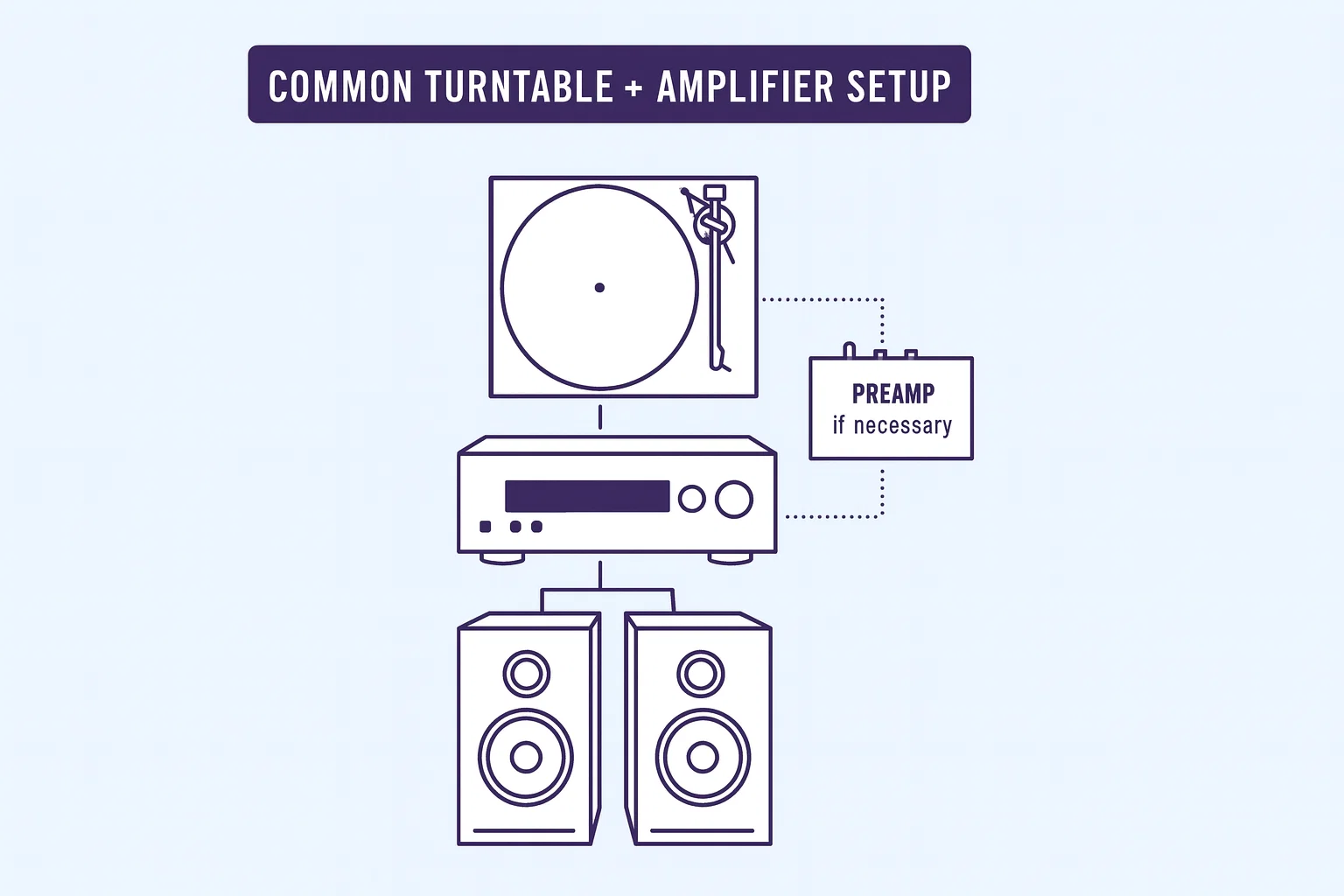
In simple terms: the preamp takes your turntable’s raw output and makes it sound the way it’s supposed to. I always try to keep the signal flow in mind when thinking through a vinyl setup:
Turntable → Phono Preamp → Power Amplifier → Speakers
Here’s how it works:
Your turntable generates a low-level phono signal. This signal first needs to be amplified to a “line level” by the preamp so it can match the standard volume output of other devices. Once the preamp has done its job, the signal is passed to a power amplifier or active speakers, which amplify it further to speaker level.
So, whether it’s built into your gear or a standalone box, the preamp is a non-negotiable step in the chain.
Do You Already Have a Preamp?
Here’s the good news: you might already have one and not even know it. Preamp confusion often comes down to figuring out what’s built into your gear versus what you’ll need to buy separately. Let’s run through the usual suspects:
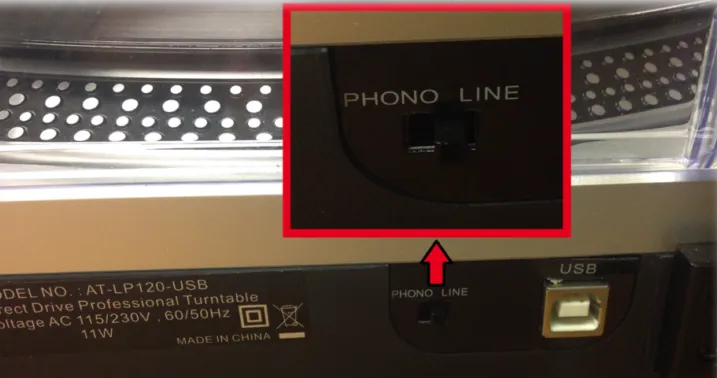
1. Your Turntable
Check if your turntable has a built-in preamp. Many modern models include one (often labeled “LINE/PHONO” on the back). If you see this switch, congrats—you’re covered, and you can plug it directly into powered speakers or an amp without needing anything extra.
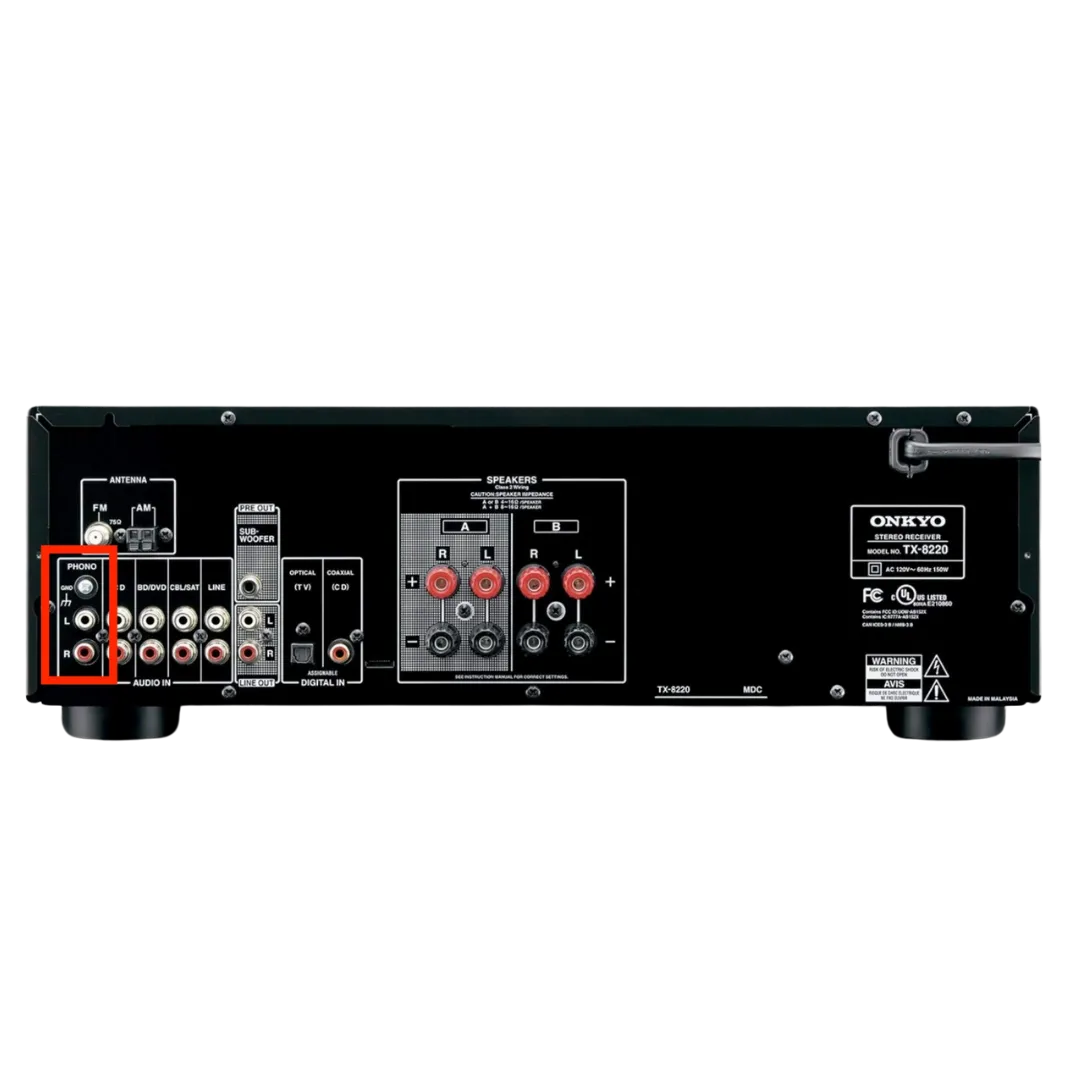
2. Your Amplifier or Receiver
Some amplifiers or receivers have a dedicated “PHONO” input, which includes a built-in preamp. If yours does, you’re good to go. Just make sure you’re not double-amping—don’t use a turntable’s built-in preamp if your amp already has one.
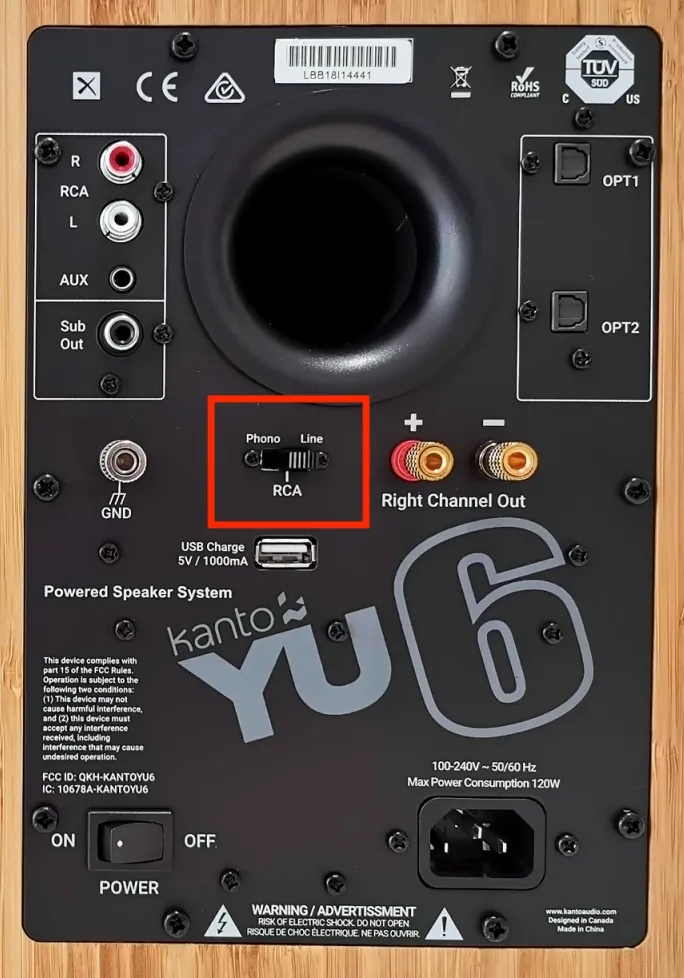
3. Active Speakers
Some powered speakers, like the Kanto YU4 or YU6, have a built-in phono preamp. If your turntable doesn’t include a preamp, these speakers can pick up the slack. Look for a “PHONO” input on the back of the speakers to confirm.
If you do not fall into any of these categories. You’ll need to invest in an external preamp. The bonus? Many external preamps deliver better sound quality than built-in ones, giving your vinyl playback a noticeable upgrade.
If you’re just getting set up, we’ve rounded up a list of components we love that come with built-in preamps. These options simplify your vinyl journey by cutting out extra components and giving you everything you need to get started.
All of these are in our previously mentioned builder – and honestly probably easier to just set it up in there but here you go in list form:
| Category | Type | Brand | Model | Link | Price |
|---|---|---|---|---|---|
| Turntable | Turntable | Audio-Technica | AT-LP60X | Amazon Link | $199 |
| Turntable | Turntable | Audio-Technica | AT-LP70X | Amazon Link | $279 |
| Turntable | Turntable | Crosley | C6 | Amazon Link | $190 |
| Turntable | Turntable | Sony | PS-LX310BT | Amazon Link | $449 |
| Amplification | Receiver | Sony | STR-DH190 | Amazon Link | $248 |
| Amplification | Amplifier | Onkyo | TX-8220 | Amazon Link | $259 |
| Amplification | Amplifier | Cambridge | AXA35 | Amazon Link | $399 |
| Speakers | Speaker | Kanto | YU4 | Amazon Link | $480 (pair) |
| Speakers | Speaker | Kanto | YU6 | Amazon Link | $579 (pair) |
How to Tell If You Need a Preamp
Still not sure whether you have a preamp? Try this:
- Connect Your Turntable: Plug it into your amp or speakers as-is.
- Play a Record: If the sound is super quiet or distorted, you probably need a preamp.
- Check Your Gear: Look for labels like “LINE,” “PHONO,” or “PREAMP” on your turntable or amp.
Built-in Preamps vs. External Preamps
When setting up your vinyl system, the choice between a built-in preamp and an external one often boils down to convenience versus quality. While both options get the job done, the experience they deliver can vary significantly depending on your priorities and how serious you are about sound.
Built-in Preamps
Built-in preamps are like the easy button for vinyl setups. They’re built right into many turntables, (plug-and-play), and you can get setup and playing your records in literally 60 seconds.
The Upsides:
- Convenience: Plug in your turntable, connect your speakers or amp, and you’re off to the races—no extra gear required.
- Cost Savings: Built-in preamps mean one less piece of equipment to buy.
Limitations:
- Sound Quality Limits: Manufacturers aren’t putting top-shelf components into budget turntables, so the preamp quality is often “just okay.”
- No Escape Route: If the built-in preamp isn’t cutting it, your only option is to bypass it and add an external one—which can feel like paying twice.
External Preamps
Now let’s talk about external preamps—the audiophile-approved upgrade for anyone chasing richer sound. These standalone units exist for one reason: to make your records sound amazing.
The Upsides:
- Better Sound: External preamps are designed to do one job and do it well. They amplify your turntable’s signal with clarity and precision.
- Customization: You can choose a preamp that matches your style, setup, and future upgrade plans.
- Extra Features: From adjustable gain to support for both MM and MC cartridges, external preamps often bring a lot to the table.
The Downsides:
- More Gear: It’s another box to buy, set up, and wire into your system.
- The Price Tag: Quality comes at a cost—expect to spend at least $100 for a decent entry-level model.
Why Does It Matter?
Here’s the thing: if you’re spinning records for the vibes—background music while you cook, a bit of ambiance for your Saturday morning coffee—a built-in preamp is probably all you need. These are made for ease of use, and they work just fine for casual listening.
But if you’re serious about vinyl, the preamp becomes a game-changer. Built-in preamps often cut corners to keep costs down. External preamps? They’re built to deliver. The difference is like driving a Toyota versus a Porsche—one is perfectly practical, but the other is an experience.
A Quick Scenario
Imagine two setups:
- Built-in Preamp Setup: You’ve got a plug-and-play turntable connected to powered speakers. It’s simple, clean, and gets your music going with zero fuss.
- External Preamp Setup: You’re running a turntable through a dedicated preamp into an amp and speakers. The sound is richer, fuller, and every note feels way more alive.
The first setup is great for starters, but the second? It’s what vinyl dreams are made of.
Conclusion: Preamp or No Preamp?
At the end of the day, every vinyl setup needs a preamp. The real question is whether built-in is good enough for you—or if you’re ready to level up with an external one. For casual listeners, built-ins do the job just fine. But if you’re chasing the rich, warm sound that makes vinyl special, an external preamp is worth every penny.
So whether you’re just getting started or refining your setup, take a moment to appreciate the humble preamp—it’s doing more than you think. And if you’re still unsure, here’s a tip: trust your ears. They’ll tell you everything you need to know.