
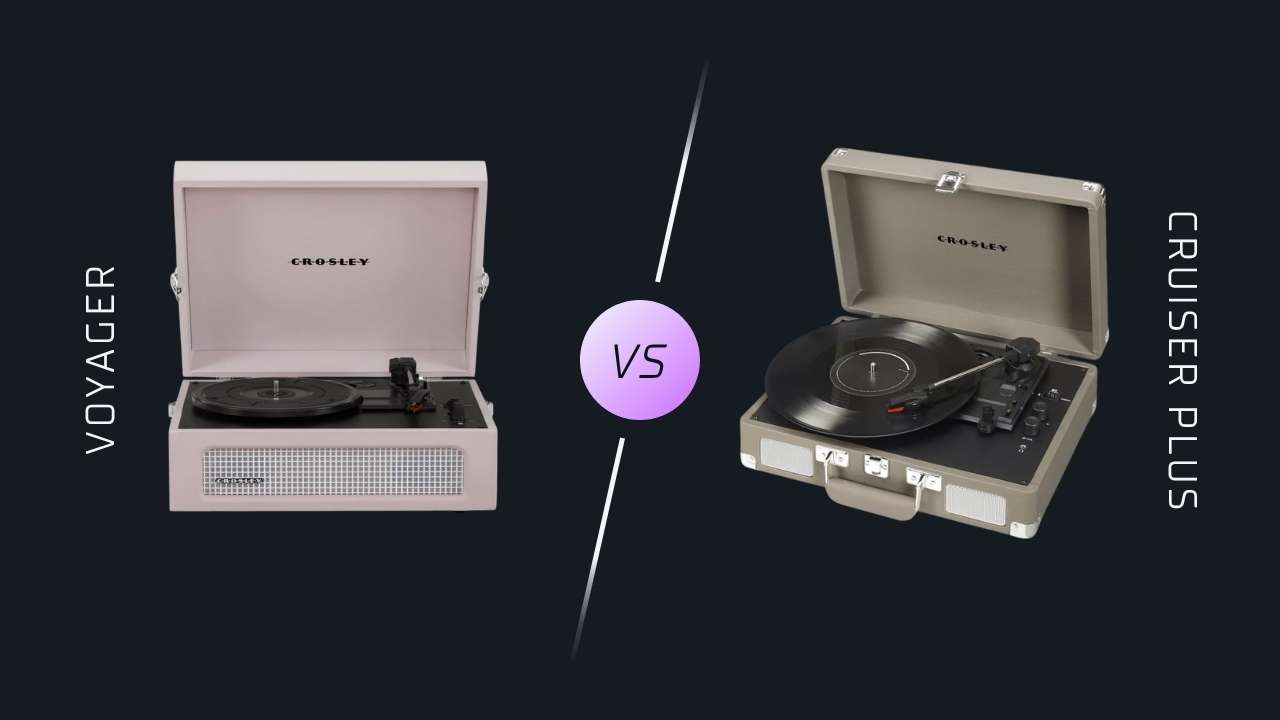
This isn’t just another Crosley comparison.
It’s the full playbook for figuring out which one actually deserves a spot in your home.
You’ve seen the debates—“Crosleys ruin records!” “No, they’re fine!”—and it’s hard to know what’s true when you’re just trying to start your vinyl journey. This guide cuts through the noise, skips the audiophile talk, and shows exactly what separates the Voyager and the Cruiser Plus—plus a few other setup options—so you can pick what actually fits you.
Table of Contents
Here’s the breakdown—everything you need to know to size up the Voyager and Cruiser Plus, broken down into the following sections:
- Build Quality
- Speaker Quality
- Audio Features and Connectivity
- Design and Portability
- Color Options
- Price and Value
- Conclusion: Crosley Voyager vs. Cruiser Plus—Which Should You Choose?
Affiliate Disclosure: We’re a small team of vinyl enthusiasts—if you get value from our insights, using our affiliate links (including Amazon Associates) helps us earn a commission and keep the lights on at no extra cost to you. Thank you for supporting Recordbuilds.com!
Build Quality
Let’s be real—when we talk about “build quality” on these suitcase-style players, we’re not talking audiophile internals. The tonearm, cartridge, and platter? Functional, but nothing to write home about.
What does matter here is the outside: the actual suitcase. That’s what keeps the turntable safe, gives it its unique vibe, and helps it survive a few moves (or tumbles off the shelf).
Crosley Voyager
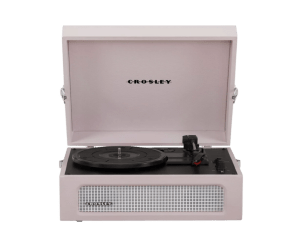
The Voyager feels more solid out of the box. It’s made with sturdier materials that hold up better over time. If you want a turntable that can sit on your shelf for years without falling apart—or just looks cleaner longer—this one’s built to last.
Crosley Cruiser Plus
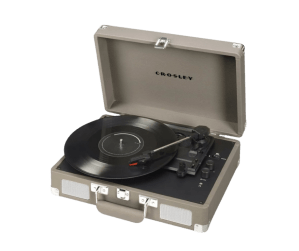
The Cruiser Plus is lighter and easier to carry, but that portability comes at the cost of durability. It’s great for casual use or light travel, but don’t expect it to survive a college dorm or two without some wear.
Winner: Voyager
Voyager: 1 | Cruiser Plus: 0
If you’re planning to use your turntable regularly (and want it to look good while doing it), the Voyager’s tougher shell makes it the safer bet.
Speaker Quality
Yes, they come with speakers. But are they good?
Both the Crosley Voyager and Cruiser Plus have built-in speakers. And if you’re just starting out, that might sound like a win—no extra gear needed, right?
But here’s the honest truth: built-in speakers on suitcase-style record players are known for being… not great.
They’re convenient, sure. They’ll get you playing records out of the box. But if you’re hoping for rich bass, clear highs, or room-filling sound, they’ll probably fall short. That’s why most people who stick with vinyl end up upgrading to external speakers. (If you’re curious, we put together a list of great speaker pairings for these record players). But between these two options? Here’s what we’re working with:
Crosley Voyager:
The Voyager’s built-in speakers are decent for casual listening—better than you’d expect, but nothing mind-blowing. Still, you get the option to plug it into your stereo setup using RCA output, stream through bluetooth, or the headphone jack, not bad.
Crosley Cruiser Plus:
Pretty much the same story here. The built-in speakers get the job done, and it comes with the same output options. But don’t expect much beyond background listening with the internal speakers.
Winner: Voyager
Voyager: 2 | Cruiser Plus: 0
They both check the box for “yes, it makes sound”—just don’t expect to be blown away. The Voyager edges ahead with a little more clarity due to the heavier body (less vibration=fuller sound). But if you’re serious about your vinyl listening, you’ll want to plug into something better. And good news: both let you do that.
Audio Features and Connectivity
Same specs. Slight differences. At first glance—and honestly, even after a second—they’re nearly twins when it comes to features. Both models blend vintage looks with just enough modern tech to make your listening easy.
Let’s run through the shared basics first:
What They Both Have:
- Three-Speed Playback: 33 1/3, 45, and 78 RPM (yep, they can handle your thrift store finds).
- Bluetooth In: Stream music to the turntable from your phone or laptop.
- Bluetooth Out: Stream your vinyl from the turntable to Bluetooth speakers (yes, both models do this).
- RCA Output: Plug into external speakers or an amp.
- Aux Input: Play music from other devices (like your phone or computer).
- Headphone Jack: For quiet spins or private listening.
- Pitch Control: Both offer adjustable pitch, although the Voyager’s is a bit more responsive.
So where’s the difference?
- Speaker Placement: Cruiser Plus has side-mounted speakers; Voyager uses front-facing speakers for clearer sound direction.
- Amp Strength: Voyager’s internal amp feels a bit punchier, while Cruiser Plus sticks with a basic setup.
Winner: Tie
Voyager: 2 | Cruiser Plus: 0
Let’s call this one a draw. The features are nearly identical—but how you use them might tilt the scales. Here’s where it starts to get interesting.
Design and Portability
Both the Cruiser Plus and Voyager share that suitcase-style DNA—but they take it in slightly different directions. Depending on what you’re after, those small design tweaks might actually matter more than you’d think.
Crosley Voyager:
The Voyager has a more refined, open-box design with clean lines and a retro-modern feel. It’s a bit heavier at 7.25 lbs, which gives it a more solid presence, but makes it slightly bulkier to move around. Whether you’re taking it to a friend’s house or relocating it within your home, the sturdier build and materials suggest it can handle more use without much wear and tear.
Crosley Cruiser Plus:
The Cruiser Plus, on the other hand, keeps the classic suitcase-style shape and weighs just 5.5 lbs. With its compact size and built-in handle, it’s easier to grab and go—making it the more portable of the two.
Winner: Cruiser Plus
Voyager: 2 | Cruiser Plus: 1
Both models emphasize portability and the suitcase design, catering to different aesthetic preferences. The Voyager offers a sleek, minimalist look, while the Cruiser Plus provides a fun, retro vibe. If you want a turntable that’s easy to carry and fits anywhere, the Cruiser Plus is your pick.
Color Options
Style is a big part of why people pick suitcase-style turntables—so color matters.
Crosley Voyager:

The Voyager keeps it simple. It comes in a few calm, vintage-style colors like grey, black, and sage. If you’re into a more classic or clean look that fits into most rooms, this might be your pick. While the color range is smaller, it gives off a timeless, relaxed feel that won’t go out of style.
Crosley Cruiser Plus:

The Cruiser Plus goes all out. You’ll find it in all kinds of bold colors and patterns—from soft pastels to tie-dye. It even has limited-edition designs. If you want your setup to stand out, this one gives you more ways to show your style.
Winner: Cruiser Plus
Voyager: 2 | Cruiser Plus: 2
The Cruiser Plus wins here for variety. It’s the better choice if you want more color options and personality in your player.
Price and Value
If you’re just starting out, price matters—and luckily, both options are pretty wallet-friendly.
Crosley Voyager:
Usually priced around $99, the Voyager costs a bit more. You’re paying for the slightly better build and small upgrades like smoother pitch control.
Crosley Cruiser Plus:
At around $89, the Cruiser Plus is a bit more affordable. You still get all the same basic features, with a fun design and plenty of color options.
Winner: Tie
Voyager: 2 | Cruiser Plus: 2
The Cruiser Plus wins on price. The Voyager wins on build and sound. If your budget is tight, go Cruiser. If you’re looking for something sturdier that might last longer, the Voyager could be worth the extra ten bucks.
Conclusion: Crosley Voyager vs Cruiser Plus—Which Should You Choose?
Both the Crosley Voyager and Cruiser Plus are wallet-friendly ways to start your vinyl journey. Each has its pros—check out the comparison table below:
| Feature | Crosley Cruiser Plus | Crosley Voyager |
|---|---|---|
| Price | $90 on Amazon | $99 on Amazon |
| Build Quality | Lighter shell, less durable for frequent use | Sturdier shell, built to last over time |
| Speaker Quality | Side-mounted speakers; fine for background listening | Front-facing speakers; clearer, more direct sound |
| Audio Features & Connectivity | Bluetooth in/out, RCA, aux, headphone jack, pitch control | Bluetooth in/out, RCA, aux, headphone jack, pitch control (more responsive) |
| Design & Portability | Classic suitcase shape, 5.5 lbs – very easy to carry | Box-style design, 7.25 lbs – more stable on surfaces |
| Color Options | Dozens of bold pastels & patterns, limited editions | Muted palette of grey, black, sage for a timeless look |
Here’s how we think it breaks down:
- Choose the Crosley Voyager if you want something solid and simple. It’s heavier (7.25 lbs), so it sits still and keeps vibrations down. Front-facing speakers give you a bit clearer sound, and the muted grey, black, or sage finishes blend into any room.
- Choose the Crosley Cruiser Plus if you need to move it around (it’s only 5.5 lbs) and love bright colors. Sound is fine for casual listening, but it can get tinny at high volumes. It’s also cheaper, so it’s great if you want fun style and easy portability on a budget.
Curious how the Voyager or Cruiser Plus compares to everything else out there? Head to our comprehensive Record Player Guide. It’s the full playbook for suitcase/all-in-one record players—what to buy, what to skip, and how to build a setup that is safe but still effective.