

Your records are only as good as your needle. Think about it.
It’s the single point of contact for your complex machine with dozens of moving parts. That tiny tip-at the end of the arm? It’s doing all of the work. Everything depends on it.
Now imagine this:
You’ve got a $15 Crosley record player needle, a $100 turntable, maybe $200 speakers… and a vinyl collection that’s worth hundreds, if not thousands.
The math isn’t mathing.
That cheap needle doesn’t just hold back your sound—it can wreck your records over time.
And most Crosley needles? They’re not built to protect your music. They’re built to be cheap, temporary, and just “good enough.” But here’s the good news: Upgrading your needle—or your whole setup—can unlock clarity and depth you’ve never heard before.
It’s not about being an audiophile. It’s about finally hearing your music the way it was meant to sound. So let’s get to it.
Table of Contents
In this guide, we’ll arm you with everything you need to know about the Crosley record player needle situation broken down into the following sections:
- Why the Needle Matters More Than you Think
- The Crosley Record Player Needle: What You’re Actually Listening To
- How to Tell When It’s Time to Replace Your Needle
- How to Replace Your Needle
- Crosley Record Player Replacement Needles
- The Big Upgrade: Swapping the Needle for Better Sound
- Conclusion: Get the Most Out of Your Crosley Record Player Needle
Affiliate Disclosure: We’re a small team of vinyl enthusiasts—if you get value from our insights, using our affiliate links (including Amazon Associates) helps us earn a commission and keep the lights on at no extra cost to you. Thank you for supporting Recordbuilds.com!
Why the Needle Matters More Than you Think
When you’re getting into vinyl, the needle feels like an afterthought. You unbox the player, drop the needle, and music comes out—seems like everything’s working fine.

But that tiny stylus is doing all the heavy lifting. It’s the absolute MVP of your sound system. It’s the only part that actually touches your vinyl—and it’s responsible for turning microscopic grooves into the music you love.
If it’s not high quality, or if it’s worn down, everything suffers. The sound gets muddy. Highs lose their sparkle. Bass turns to mush. But it’s not just your ears that take the hit—it’s your records. A bad needle can grind into the grooves, leaving scratches that can’t be undone.
And once your vinyl is damaged, that’s it. No fixing it. No re-downloads. No backups. That irreplaceable thrift store find? That rare pressing? Gone.
And that’s where a lot of Crosley players fall short. The built-in needles are designed to work “just enough,” but not necessarily well. The good news? You don’t have to overhaul your setup to get better sound. A simple upgrade to a better needle goes a long way—and your records will thank you.
The Crosley Record Player Needle: What You’re Actually Listening To
Crosley turntables usually come with one of two needle types—and while they might look the same, they perform very differently. Let’s break down what each one does—and why it matters.
1. The NP-6 (Sapphire Tip)
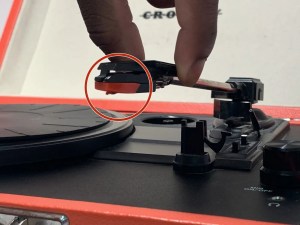
- Lifespan: ~500 hours of playtime
- Found on: Most budget Crosley models
- Good for: Beginners, casual spins, tight budgets
The Breakdown
The NP-6 is your basic starter needle—cheap, cheerful, and just enough to get the music going. It’ll play all the usual speeds (33 ⅓, 45, and even 78 RPM), which is solid for the price. This thing is the choice for casual listeners, beginners, or anyone on a tight budget.
The Catch
Worn sapphire needles are notorious for damaging vinyl. Once they’re past their prime, they’ll grind into the grooves, causing permanent damage. Think of it like driving on bald tires—it might work for a while, but you’re asking for trouble.
Other Downsides:
Sapphire needles wear out quickly—typically lasting only about 500 to 1,000 hours of playtime. That might sound like a lot, but for regular vinyl users, it adds up fast. The real problem is what happens once the needle is worn: instead of gliding smoothly through the grooves, it starts dragging, causing distortion, skipping, and even permanent damage to your records. Not ideal, right?
Pro Tip:
If you own a Crosley model with an NP-6 needle, make a habit of inspecting it regularly. Look for signs of wear, like a dull tip or any sound distortion. It’s much cheaper to replace the needle than to replace your records!
2. The NP-5 (Diamond Tip)

- Lifespan: 1,000+ hours of playtime
- Found on: Higher-end Crosley models (like the C62, T150, Bermuda, etc.)
- Good for: Regular listeners, upgraded sound, protecting your vinyl
The Breakdown
If the NP-6 is your starter pack, the NP-5 is your first real upgrade. Diamond-tipped, longer-lasting, and way easier on your records. It’s built for people who actually listen to their records—not just look at them.
And the sound? Definitely a step up. You’ll hear more detail, less distortion, smoother highs, and tighter lows. Diamond needles don’t just sound better—they last longer too, with over 1,000 hours of playtime. They’re also much easier on your records, making them a smarter choice if you spin often and want to keep your collection in good shape.
The Catch
While it’s a big improvement over the NP-6, let’s not get carried away. It’s still miles behind the kind of cartridges and styli you’ll find on legit turntables like the Audio-Technica LP120X or Pro-Ject Debut Carbon. The NP-5 gets you closer—but not quite there. (More on that in a bit.)
Pro Tip:
If your Crosley turntable supports the NP-5, upgrading is a no-brainer. Even if you’re using an NP-6-compatible model, it’s worth checking if you can swap to an NP-5-compatible cartridge for better performance and longevity.
How to Tell When It’s Time to Replace Your Needle
No matter how careful you are, every needle has a lifespan. Here’s how to know when yours is on its way out:
1. Sound Distortion
Have you noticed your records sounding off lately? Maybe the highs are harsh, the bass is muddy, or everything just seems… dull. These are classic signs of a needle past its prime. When your stylus tip wears down, it can no longer track the grooves of your vinyl accurately. Instead of pulling out the crisp details and dynamic range, it starts misinterpreting the grooves, creating distorted, scratchy, or muffled audio.
What to do: If you start hearing distortion—even on records that used to sound great—don’t ignore it. Check your needle right away to prevent potential damage to your vinyl.
2. Skipping or Sticking
A skipping record isn’t just annoying; it’s a big red flag. A worn needle often struggles to stay in the groove, especially in sections with complex or densely packed sound. If your records are skipping, sticking, or repeating sections, your needle might no longer be sharp or balanced enough to handle the grooves properly.
Why it matters: Skipping can actually scratch your vinyl over time, as the needle jumps across grooves. And once a record is scratched, there’s no going back.
Pro tip: Before blaming the needle, double-check that your records are clean and free from dust or warping. If everything else checks out, it’s likely time for a replacement stylus.
3. Visible Wear
Sometimes, you can see the problem before you hear it. A good stylus has a smooth, sharp tip designed to glide effortlessly through the grooves of your vinyl. Over time, that tip can become dull, chipped, or misshapen, making it harder for the needle to track properly. If you’re dealing with a sapphire needle, this happens faster than you might think.
What to look for: Hold your stylus under good light and inspect the tip with a magnifying glass (or take a close-up photo with your phone). If the tip looks flat, uneven, or damaged in any way, it’s time for a swap. Don’t wait—damaged needles can wreak havoc on your vinyl in no time.
4. Playing Hours
Even if your needle looks fine and sounds okay, it has a limited lifespan. Sapphire needles typically last around 500 hours of playtime, while diamond-tipped needles can push closer to 1,000 hours. For casual listeners, this translates to about 3-5 years.
How to Replace Your Needle
So you’ve spotted the signs. Now what? Good news: replacing your needle is easier than you think.
In most cases, all you need is a new needle. And the best part? Swapping it out is easier than it sounds.
You can do it at home in just a few minutes—with nothing more than a steady hand and a small flathead screwdriver. No tech skills required.
Here’s a simple breakdown of the process:

Tools You’ll Need:
- Replacement Needle: Make sure it’s compatible with your Crosley model (NP-6 or NP-5).
- Small Flathead Screwdriver: A basic eyeglass screwdriver works perfectly.
Step-by-Step Instructions:
1. Turn Off and Unplug Your Record Player
- Safety first! Make sure your turntable is off and unplugged to avoid any accidents while handling delicate components.
2. Inspect the Old Needle
- Check your current stylus for wear and tear. A bent cantilever or dull sound quality is a good indicator it’s time for a replacement.
3. Remove the Old Needle
- Locate where the stylus attaches to the cartridge.
- Use your flathead screwdriver to gently pry the stylus loose. Insert the screwdriver at the small gap where the stylus meets the cartridge and wiggle it back and forth.
- Once loosened, pull the old needle straight off the cartridge. Be gentle—there’s no need to force it.
4. Prepare the New Needle
- Carefully take your replacement stylus out of its packaging. Avoid touching the tip directly to prevent any accidental damage.
5. Install the New Needle
- Align the back end of the new stylus with the slot on the cartridge.
- Slide it into place, ensuring it hugs securely around the cartridge.
- Push gently until you feel or hear a click.
6. Test Your Setup
Once the needle is secure, plug your record player back in and spin a record to ensure everything is working properly. Listen for clear sound with no distortion or skips.
Crosley Record Player Replacement Needles
When it’s time to replace your needle, you’ve got a few options:
1. Crosley NP-6 (Sapphire Tip)
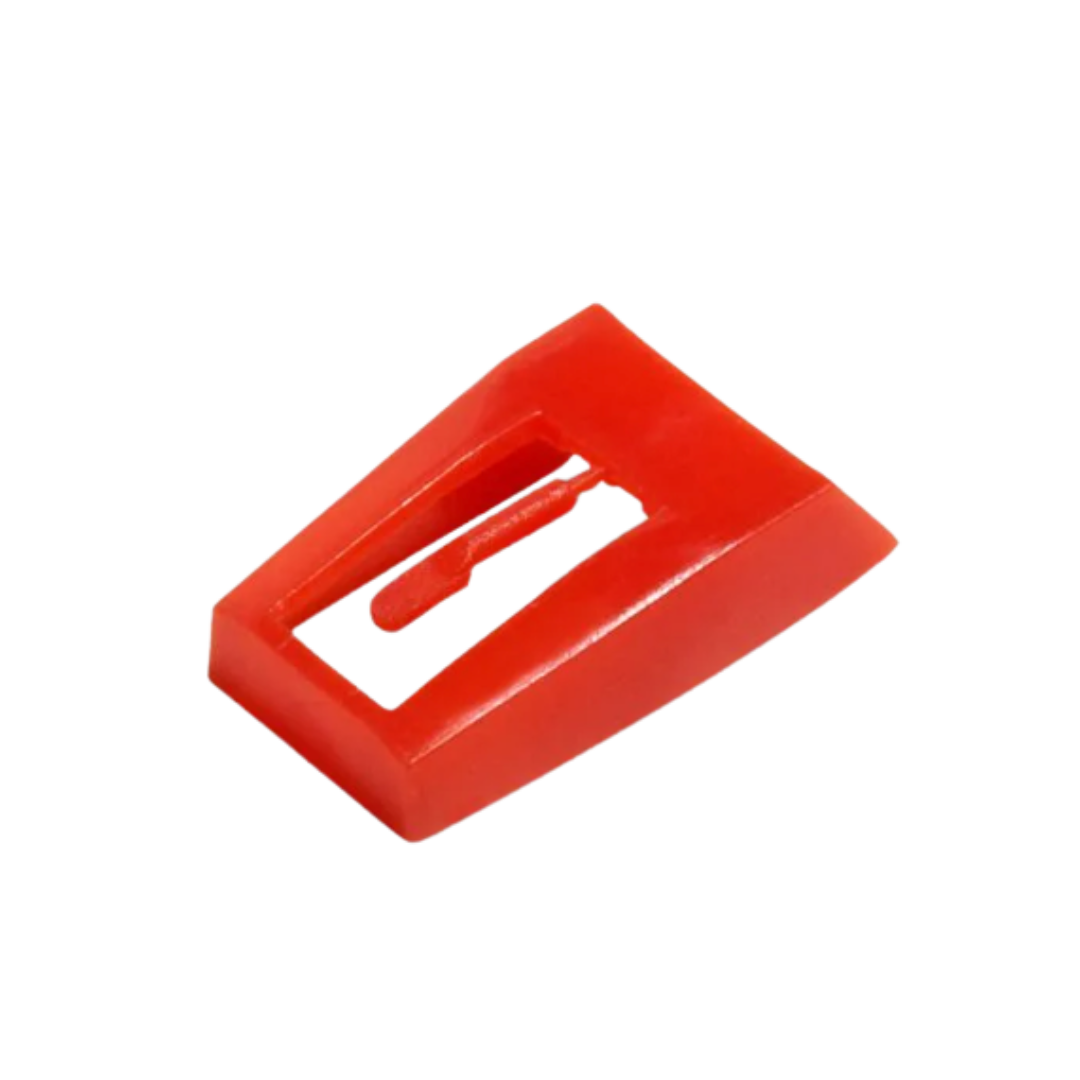
The NP-6 needle is compatible with Crosley models like the Cruiser Deluxe, Cruiser Plus, Voyager, Lancaster, and Rhapsody. This budget-friendly sapphire-tipped needle works for casual listeners, but it needs to be replaced every 500 hours to protect your records.
2. Crosley NP-5 (Diamond Tip)
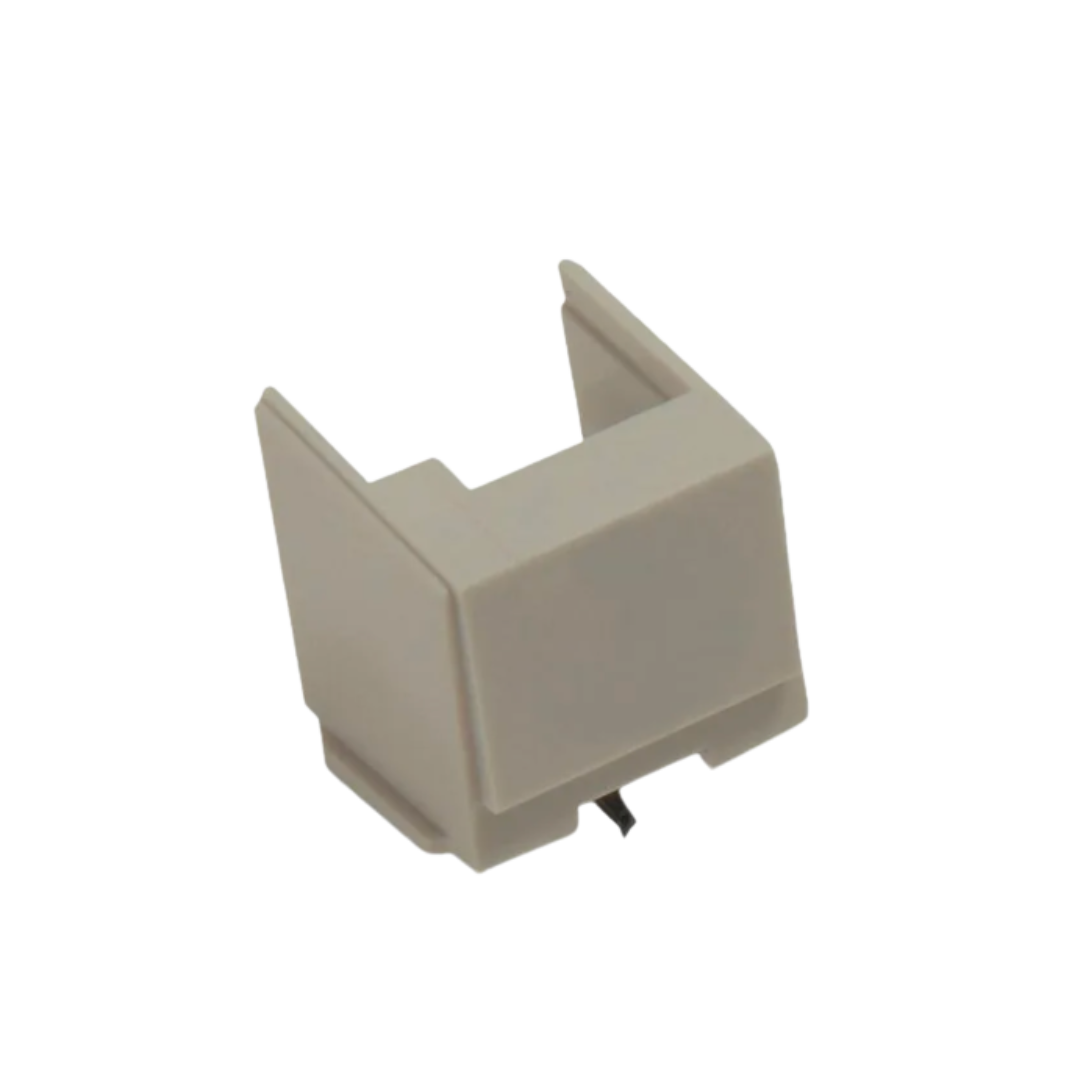
The NP-5 needle is compatible with Crosley models like the Bermuda, Sterling, Portfolio, C62, The Gig, and T150. This durable diamond-tipped needle is perfect for regular vinyl enthusiasts who want improved sound quality and longer lifespan for their records.
The Big Upgrade: Swapping the Needle for Better Sound
If you’ve swapped the needle and still feel something’s missing—there is.
You’re not crazy. You’ve hit the Crosley ceiling. And once you break through, your records don’t just play—they breathe. It stops being background noise and becomes something you feel.
There’s a reason people geek out over real setups. It’s not just about better bass or sharper highs—it’s about the moment the room goes quiet and the music completely fills the room. You don’t just hear it. You feel it in your chest.
The hardest part? Figuring out what to buy. With so many options (and bad advice), it’s easy to feel stuck. That’s why we crowdsourced picks, found real setups, based on real people, not brand sponsorships. We’ve done the digging, asked the questions, and fought over the best gear—so you don’t have to. If you’re ready to skip the fluff and get to the good stuff, explore our builds to find the best setup for your needs.

Conclusion: Get the Most Out of Your Crosley Record Player Needle
Crosley record players have their place. They’re affordable, approachable, and a solid first step into the vinyl world. But if you care about your records—and want them to actually sound good—the needle matters way more than most people think.
Sapphire tips like the NP-6 might seem fine at first, but they wear out fast and can do serious damage once they do. Upgrading to a diamond tip like the NP-5 is a big improvement: better sound, longer life, and way less risk to your vinyl.
Still, even the best needle can only do so much. Crosleys have real limitations—and eventually, they’ll start holding your setup back.
So if you’ve made it this far, you’re probably not just dabbling. You’re starting to care about the sound. About the experience. And that’s where things get fun..
We built out full setups for people just like you—no guesswork, no confusing specs, just real gear that sounds great and actually works together. They’re all based on real listener favorites, and every component is vetted, swappable, and ready to grow with you.
And see what your records have really been trying to tell you.